Scientists detect the farthest radio burst ever observed
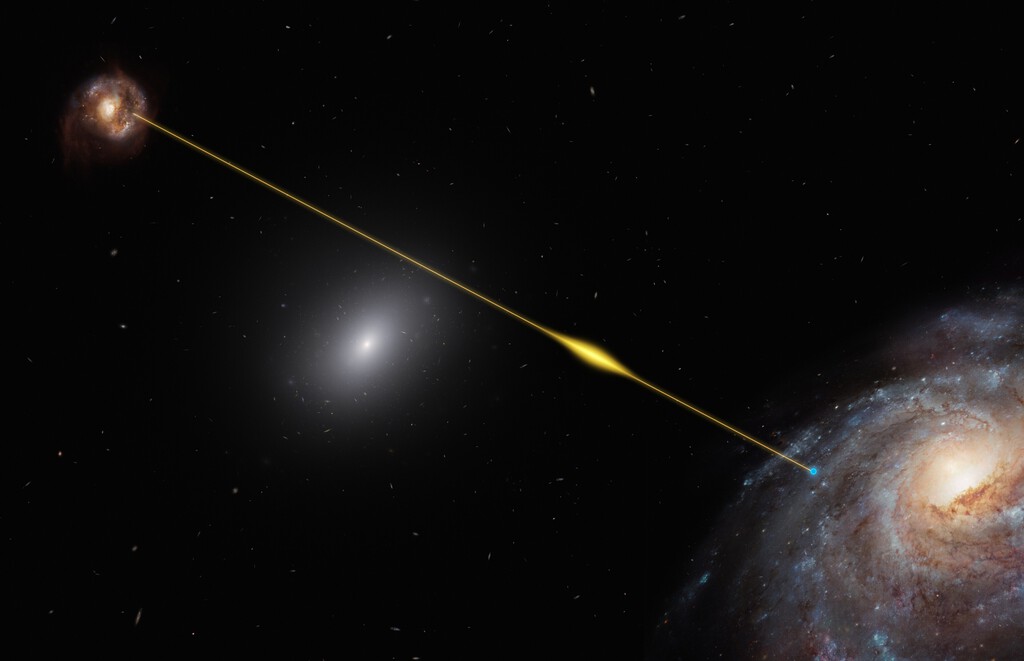
Researchers have discovered the most distant FRB, originating 11 billion years ago. This finding provides new insights into the early universe.
Recently, scientists from Northwestern University made a remarkable discovery by detecting the farthest fast radio burst (FRB) ever recorded, known as FRB 20240304B. This burst was initially observed by the MeerKAT radio telescope in South Africa and later analyzed with the James Webb Space Telescope, which traced its origin back to a galaxy located 11 billion light-years away from Earth.
This discovery is significant not only because it sets a new record but also because it provides vital information about the source galaxy and the state of the universe when it was approximately 3 billion years old. The detection of this FRB offers a unique window to better understand the conditions of the early universe and the phenomena that were occurring at that time.
## Why it matters The finding of FRB 20240304B is a crucial advancement in modern astronomy, as it helps unravel the mysteries of the early universe. This type of research not only expands our knowledge of galaxy formation but could also offer clues about the physical processes that generate these bursts in space.
## What we know FRB 20240304B is the oldest and farthest detected to date, making it an important object of study. Its discovery was made possible through advanced technology in radio astronomy and optical observations from the James Webb Space Telescope, which is revolutionizing our understanding of the cosmos.
## What remains unclear Despite the significance of this finding, many questions remain unanswered. Scientists have yet to determine exactly what causes these fast radio bursts and how they relate to other astronomical phenomena. Future research is expected to shed more light on these enigmatic events.
Read at the original source:
Xataka →Related news
 Science
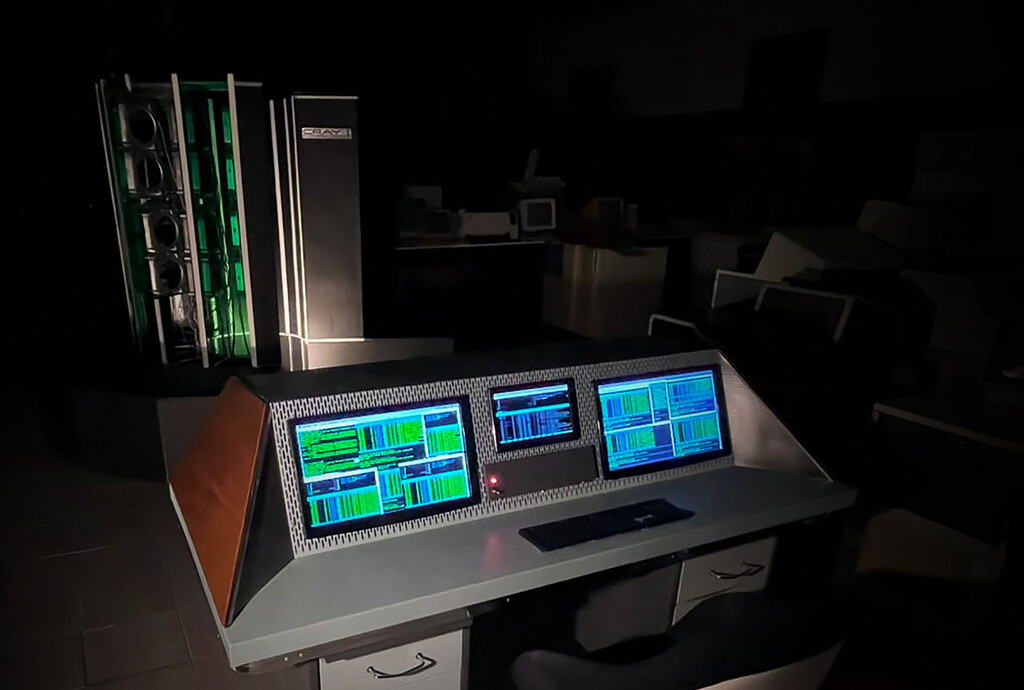
A 1976 Cray-1 Revived Using 30 Mac Minis
A Spanish project has recreated the iconic Cray-1 using modern technology. This achievement connects the history of computing with the present.
 Science
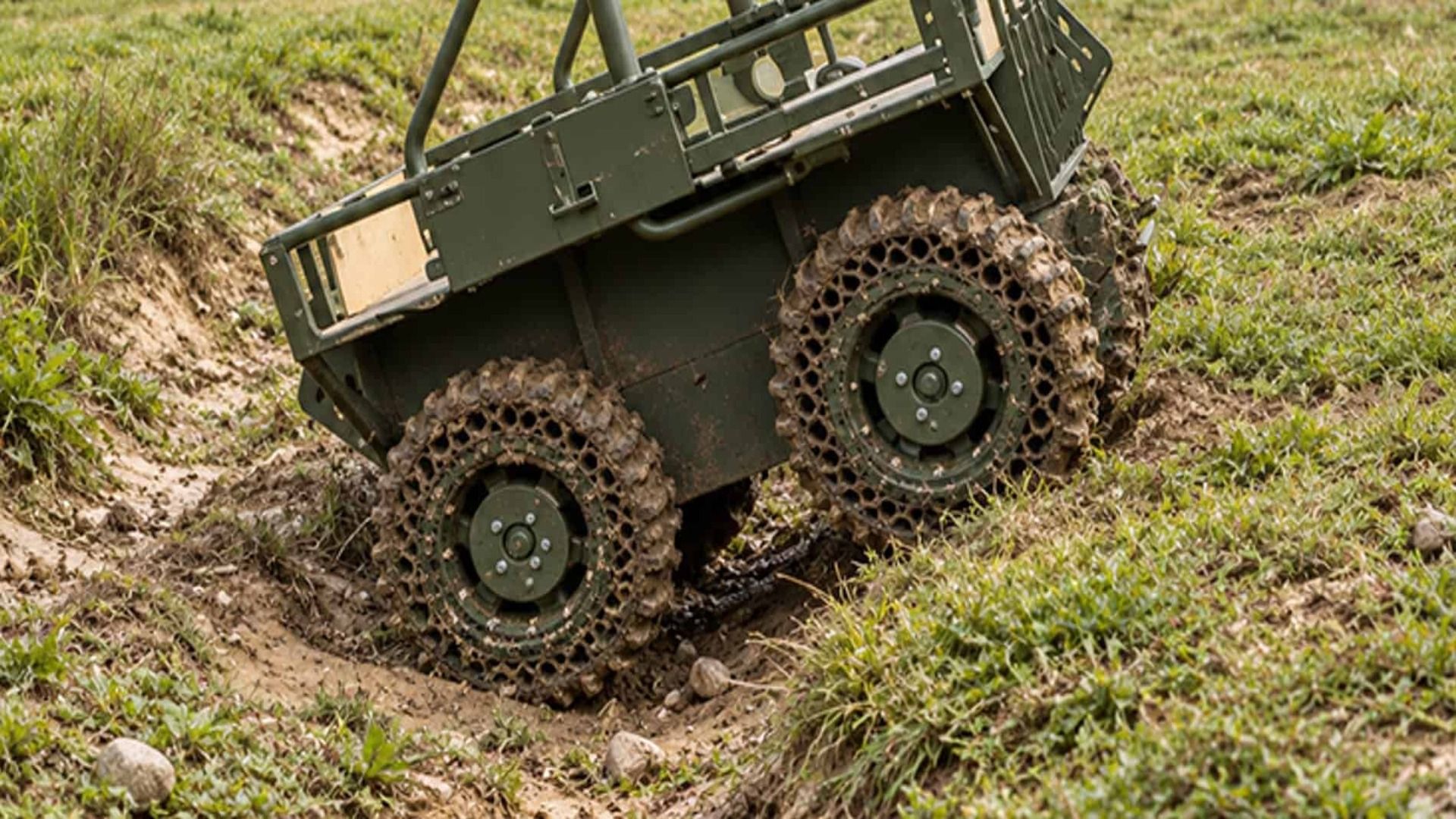
3D-printed airless wheels: a game changer for Ukraine's robots
Ukrainian engineers unveil airless wheels for robotic vehicles. This innovation enhances battlefield mobility even after sustaining damage.
 Science
Vision-restoring chip implanted in first Stargardt patient
Science Corporation has implanted a vision-restoring chip in its first Stargardt disease patient.