Solar panels protect farmers from heat in crops
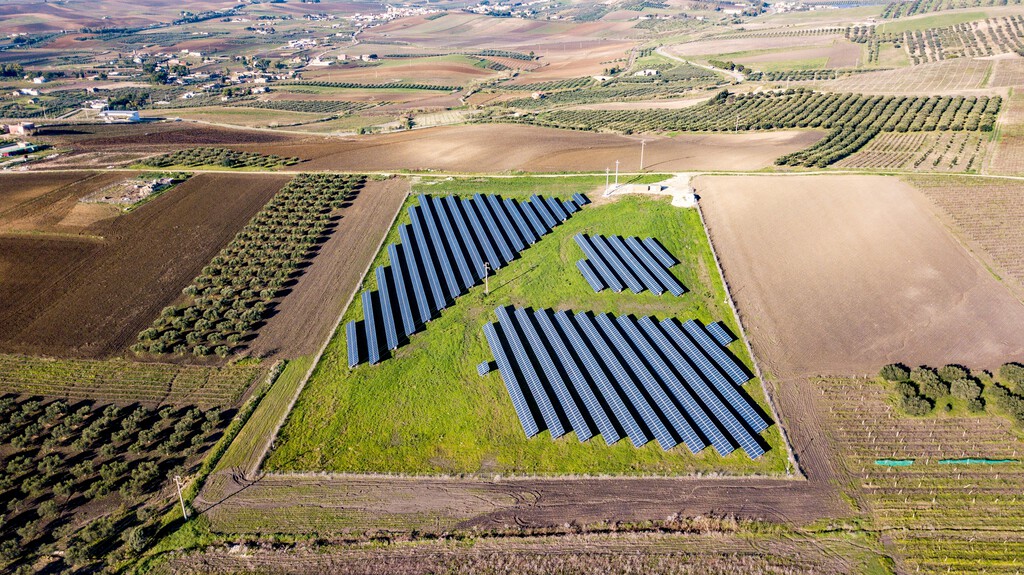
Recent research reveals that agrovoltaics can benefit farmers by creating a favorable microclimate. This not only enhances agricultural production but also offers protection against extreme heat.
Agrovoltaics is an innovative solution that combines the installation of solar panels with agriculture. This approach not only maximizes land use but also provides additional benefits to the microclimate of crops. A recent study published in the Journal of Advances in Modeling Earth Systems has found that solar panels can help protect farmers from extreme heat.
The study suggests that, in addition to generating renewable energy, solar panels installed over crops can create a microclimate that protects plants and workers from heat. This phenomenon is particularly relevant in the context of climate change, where heat waves are becoming increasingly frequent and severe.
## Why it matters The combination of solar energy and agriculture could be a game-changer for farmers, who often face adverse weather conditions. The additional protection provided by solar panels may not only improve crop quality but also enhance the comfort and safety of those working the land.
## What we know The study is based on a computer model that simulates the effect of solar panels on the microclimate of crops. The results indicate that agrovoltaics is not only economically viable but also has a positive impact on the environment and the health of agricultural workers.
## What is still unclear Despite the promising findings, further research is needed to quantify exactly how much solar panels can improve crop conditions and what other effects they may have on local biodiversity. The company and researchers have not detailed the specific conditions required to maximize these benefits.
Read at the original source:
Xataka →Related news
 Science
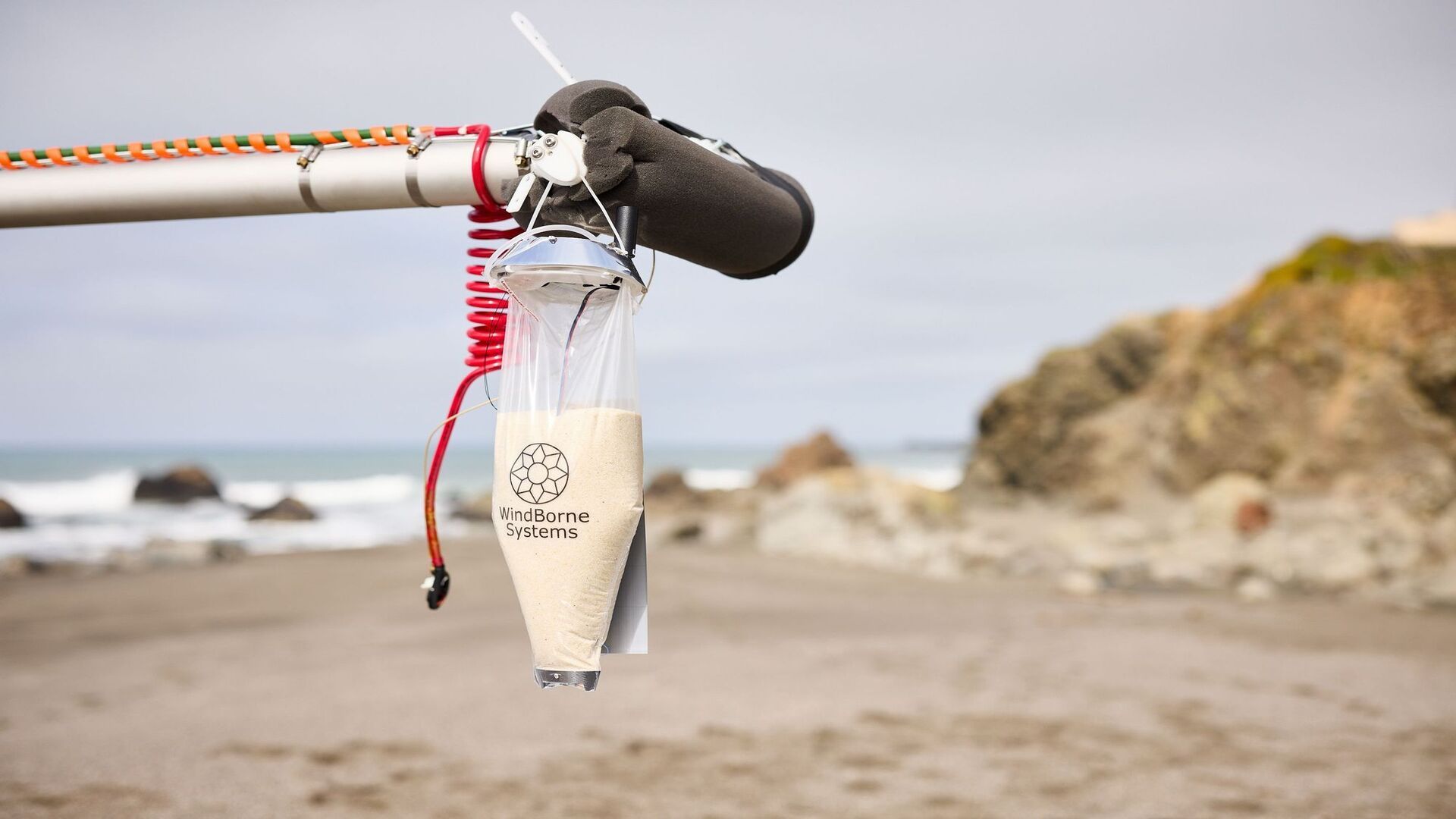
US Air Force invests in autonomous weather balloon technology
The US Air Force has secured a potential $49 million contract with WindBorne for atmospheric data. This innovative technology uses balloons to enhance weather forecasting.
 Science
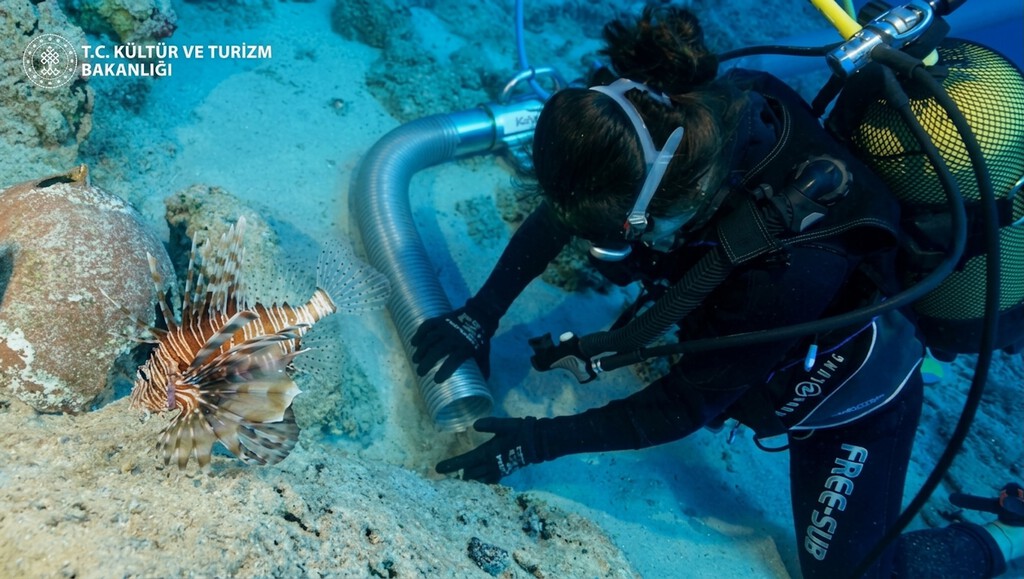
Oldest shipwreck in the world discovered in the Mediterranean
Remains of a ship that sank between 4,400 and 4,700 years ago have been found off the coast of Kekova, Turkey. This discovery sheds light on navigation and trade during the Bronze Age.
 Science
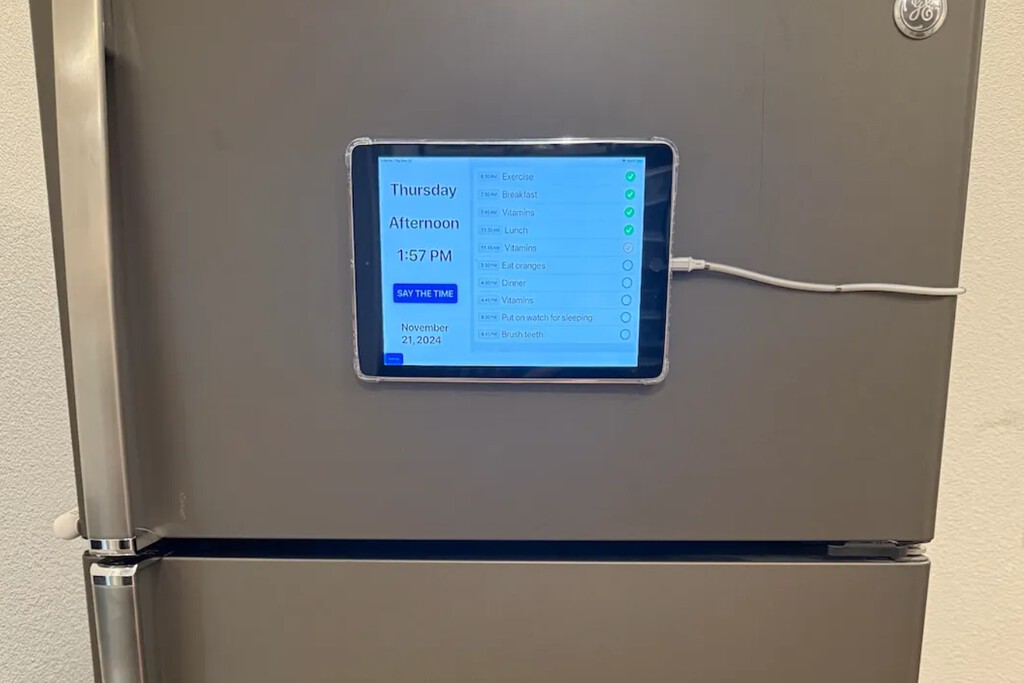
Magnets on the fridge may be more dangerous than you think
A study reveals that magnets on refrigerators can affect electronic devices. It's important for users to understand the implications.