The true story of Tang and its connection to NASA
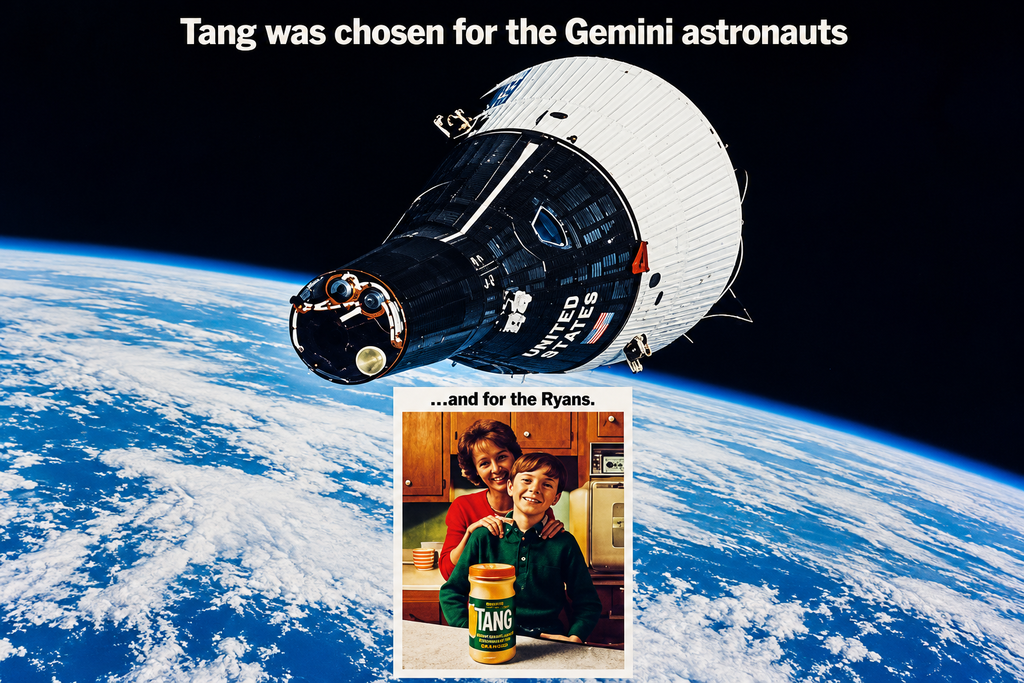
Tang was not created by NASA; it existed before its use in space. This misunderstanding has significantly impacted public perception of the drink.
For years, it has been mistakenly believed that Tang, the powdered orange drink, was created by NASA for its astronauts. However, the reality is more intriguing: Tang was already available in American supermarkets before John Glenn made his historic orbital flight. Its success skyrocketed when it was associated with the conquest of space, becoming a symbol of the space age.
The story of Tang began in 1957 when William A. Mitchell, a food chemist at General Foods, developed this mix of flavored crystals that only required water to be prepared. Although its initial sales were unimpressive, the inclusion of Tang in space missions changed its fate, boosting its popularity to unexpected levels.
## Why it matters This confusion about Tang's origin highlights how the narrative of the space race has influenced popular culture. Associating a product with NASA not only transforms it into an icon but can also create a significant impact on sales and consumer perception.
## What we know We know that Tang was developed before its connection with NASA and that its popularity grew enormously due to its use in space missions. This story is a clear example of how marketing and history intertwine in the collective imagination.
## What is still unclear Although Tang's story is fascinating, it has not been detailed how exactly NASA decided to include this product in its missions or the specific financial impact it had on General Foods after this association.
Read at the original source:
Xataka →Related news
 Science
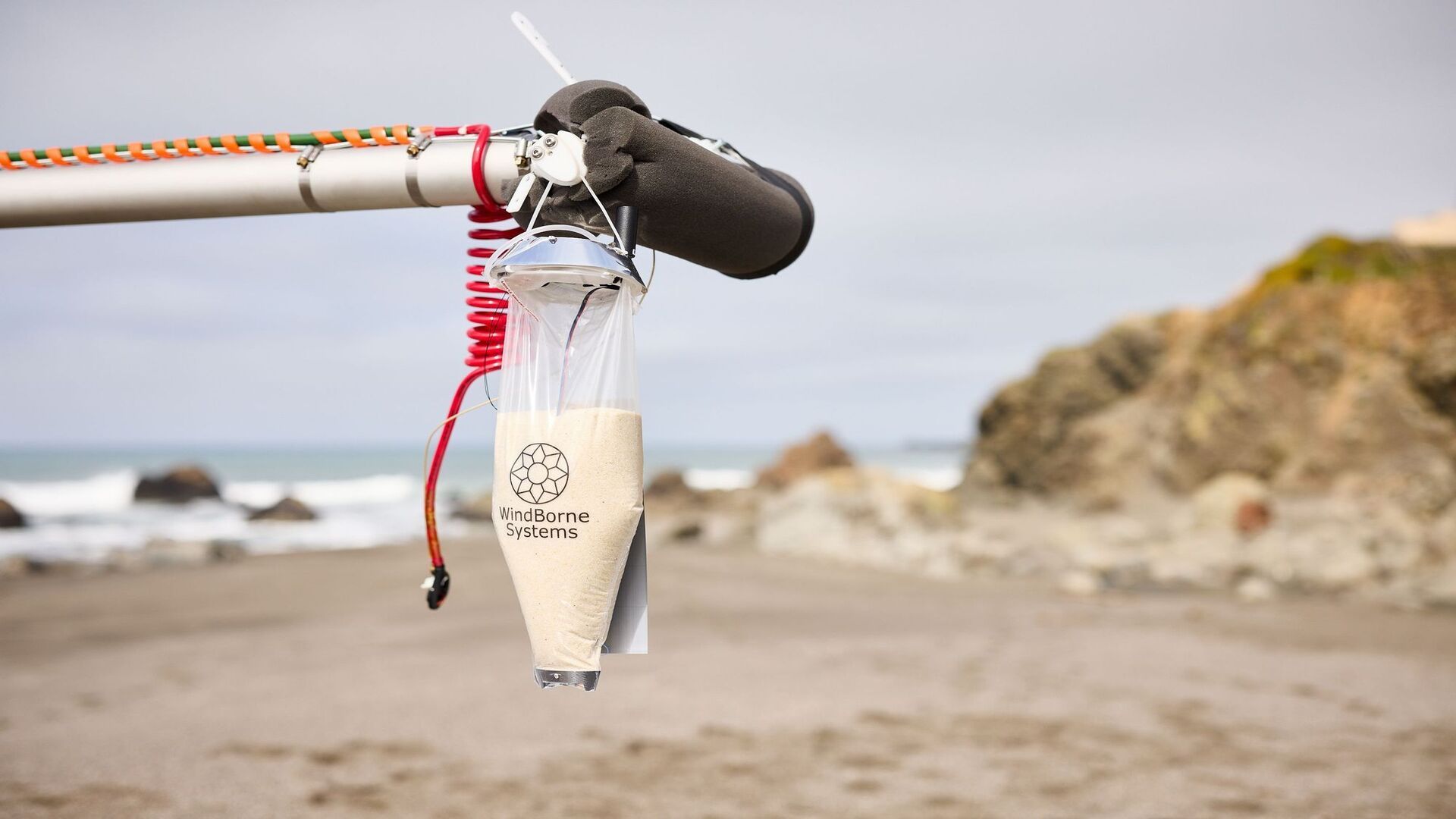
US Air Force invests in autonomous weather balloon technology
The US Air Force has secured a potential $49 million contract with WindBorne for atmospheric data. This innovative technology uses balloons to enhance weather forecasting.
 Science
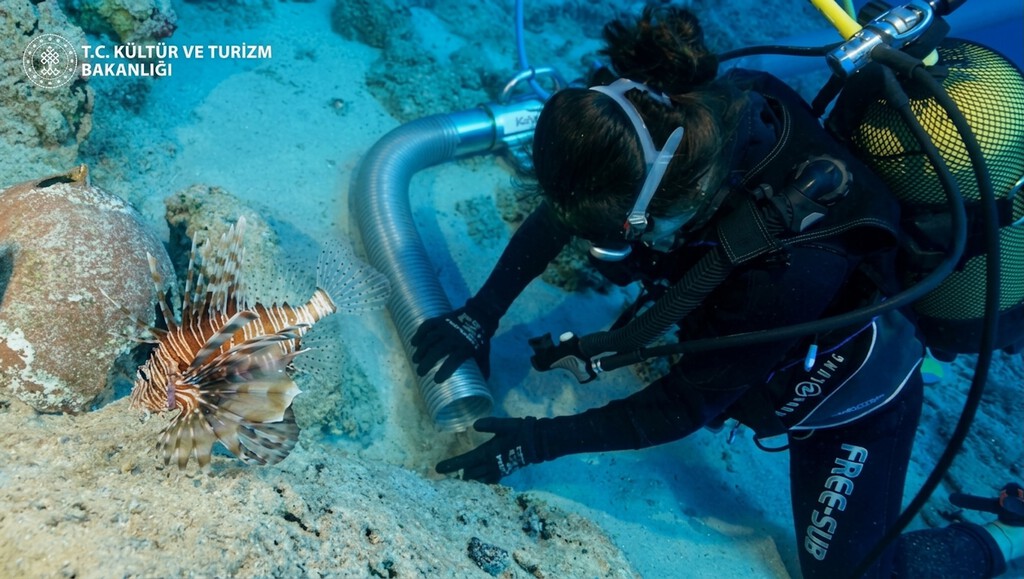
Oldest shipwreck in the world discovered in the Mediterranean
Remains of a ship that sank between 4,400 and 4,700 years ago have been found off the coast of Kekova, Turkey. This discovery sheds light on navigation and trade during the Bronze Age.
 Science
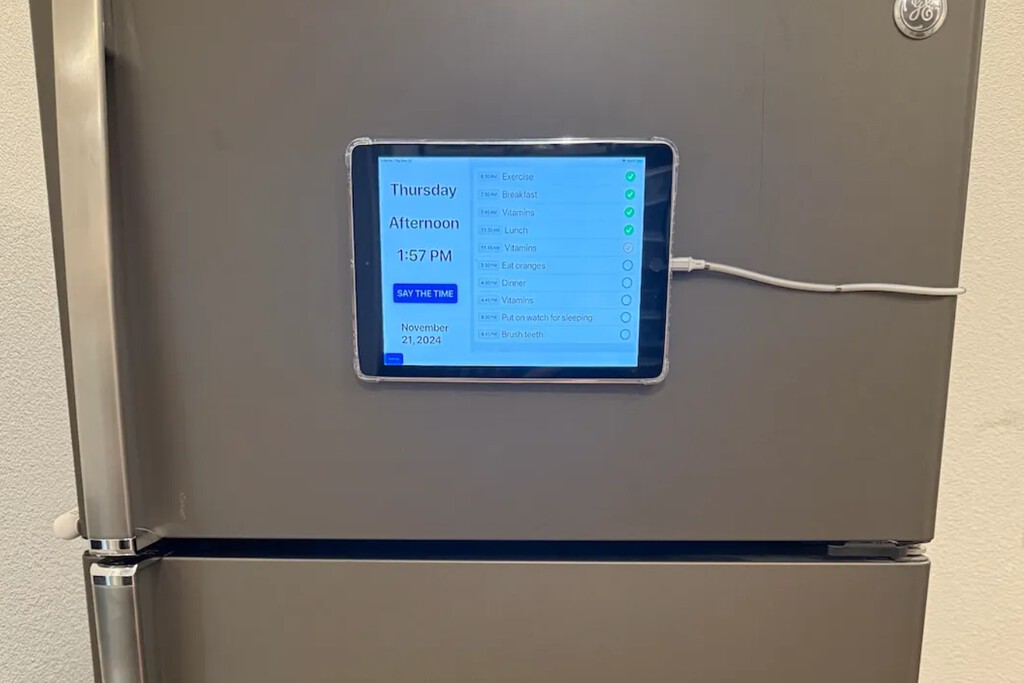
Magnets on the fridge may be more dangerous than you think
A study reveals that magnets on refrigerators can affect electronic devices. It's important for users to understand the implications.