UK rail police's facial recognition trial nets zero matches
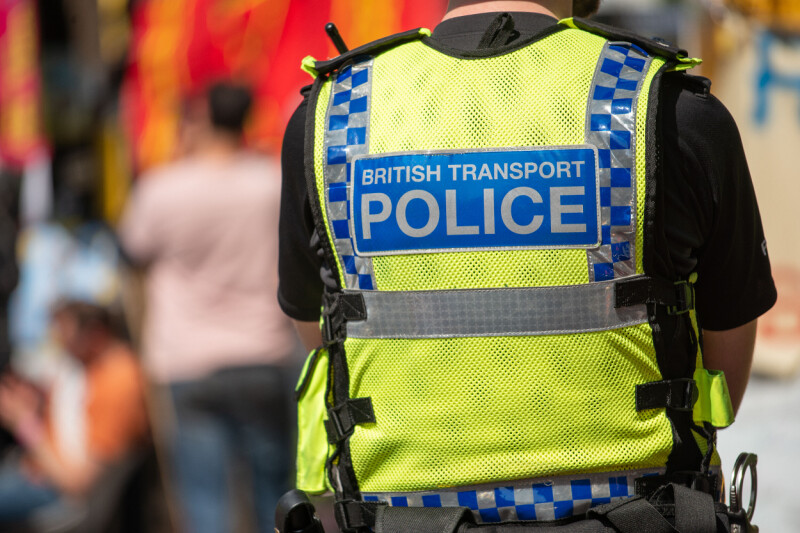
The British Transport Police's facial recognition experiment cost over £320,000 but failed to identify any suspects. This raises significant concerns regarding the effectiveness and privacy implications of such technology.
The British Transport Police (BTP) conducted an expensive facial recognition trial that has raised more questions than answers. With a budget exceeding £320,000, the police scanned over 500,000 faces at London train stations over six months, yet failed to identify any individuals they were searching for. This outcome has sparked criticism regarding the effectiveness of facial recognition technology and its use in public surveillance.
Why it matters
The results of this trial are not only surprising but also raise serious concerns about the efficacy and ethics of using facial recognition technologies in public spaces. With a high cost and no tangible results, it begs the question of whether these systems genuinely enhance safety or if they are a failed investment that infringes on citizens' privacy.
What we know
Data obtained by the civil liberties group Liberty through freedom of information requests reveal that the only alert generated by the system turned out to be a false positive. This means that despite the extensive implementation, no arrests were made or suspects identified from facial recognition alerts. Additionally, the deployment of this technology consumed nearly 100 hours of police officers' time, calling into question the resource allocation for such initiatives.
What remains unclear
It has not yet been confirmed whether the BTP plans to continue with similar trials in the future or if adjustments to the technology or usage protocols will be made. The lack of results also leaves the discussion about the need for stricter regulations on surveillance technologies that can compromise citizen privacy up in the air.
Read at the original source:
The Register →Related news
 Security
UK RAF employs lasers and jammers against enemy satellites
The Royal Air Force is using advanced technology to interfere with hostile satellites, a crucial measure for protecting military operations.
 Security
Modern cars leak personal data to major tech companies
A new study reveals that most car apps are leaking sensitive data to data brokers. This raises serious concerns about user privacy.
 Security
Your car and its app may be sharing data with tech giants
Researchers found that vehicles and their companion apps regularly share data with major tech companies.