Compatibility of apps on Googlebooks with Intel processors
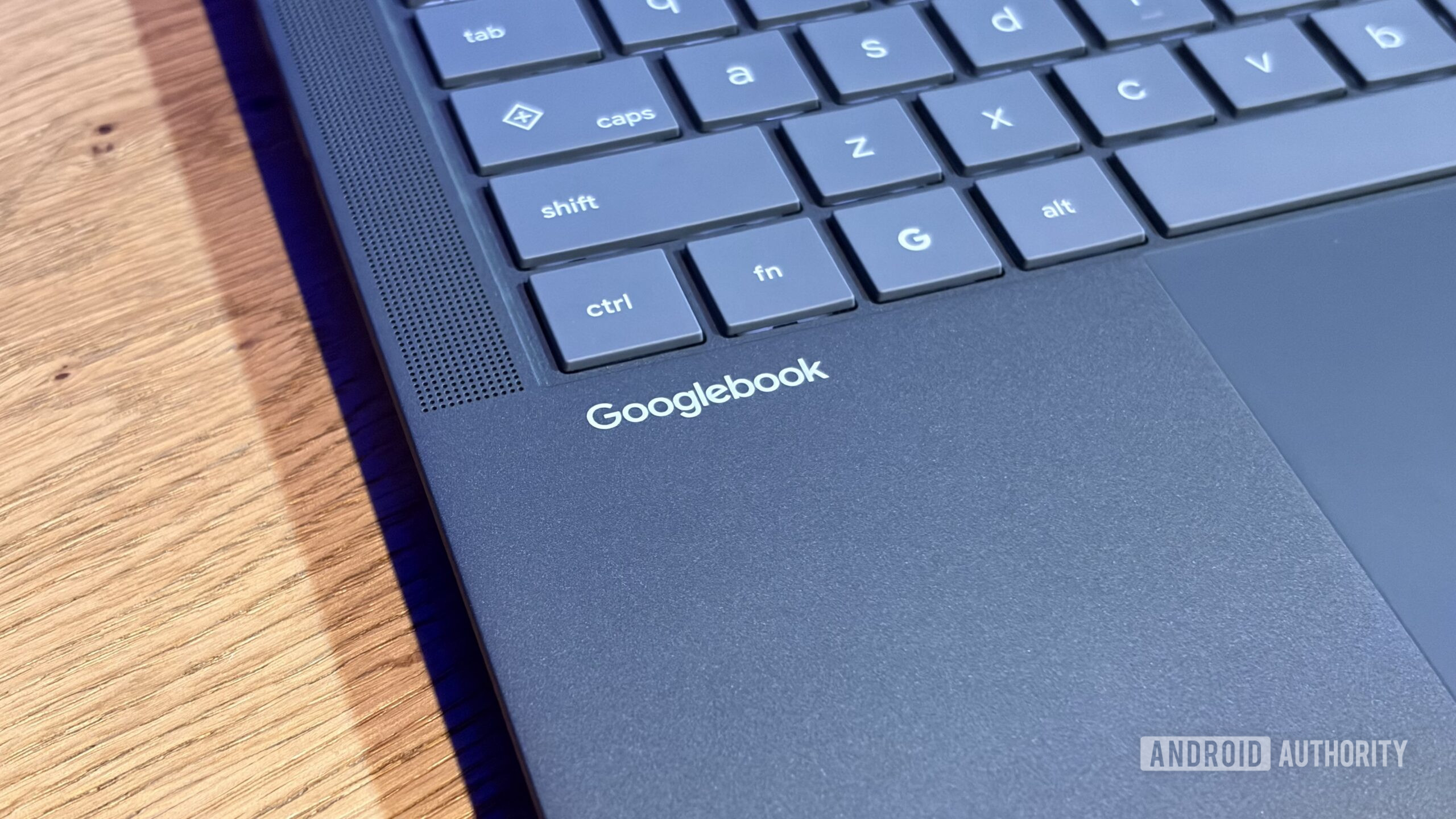
Google has detailed app compatibility on Googlebooks with Intel processors. 96.6% of popular apps run smoothly.
Google has revealed that 96.6% of the most used Android apps run correctly on Intel-based Googlebooks. This means that around 300 apps are not compatible, mainly because they are not optimized for large screens. With the launch of Googlebooks, users can choose between models with Intel or Snapdragon processors, but the company has pointed out that Snapdragon models have better support for Android apps.
## Why it matters App compatibility is a crucial factor for users when choosing a device. With a significant majority of apps functioning properly, Googlebooks offer a robust experience. However, the lack of compatibility for some apps may affect certain users who rely on those specific tools.
## What we know Google has confirmed that most Android apps are functional on Googlebooks, regardless of the processor type. However, it has been highlighted that incompatible apps tend to be those that have not been designed to adapt to larger screens, which is an important point for developers to consider.
## What is still unclear It has not yet been confirmed whether Google plans to work with developers of the incompatible apps to improve their functionality on Intel-based devices. Additionally, it has not been specified if there will be future updates that could increase the compatibility rate.
Read at the original source:
Android Authority →Related news
 Mobile
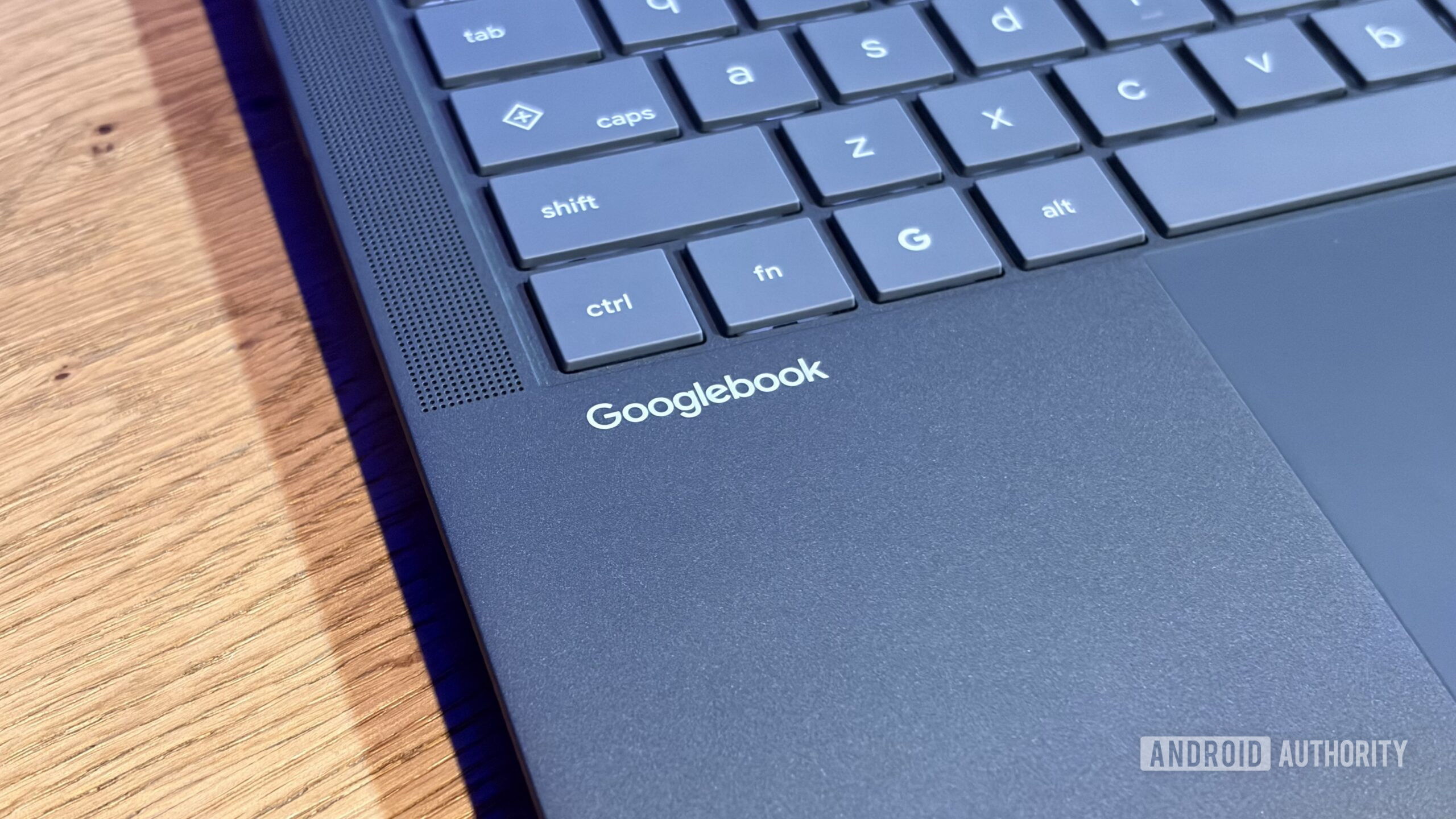
Googlebooks replaces Caps Lock with Quick Insert key
The new Googlebooks have swapped the Caps Lock key for a Quick Insert key, which cannot currently be remapped. This change has sparked mixed reactions among users.
 Mobile
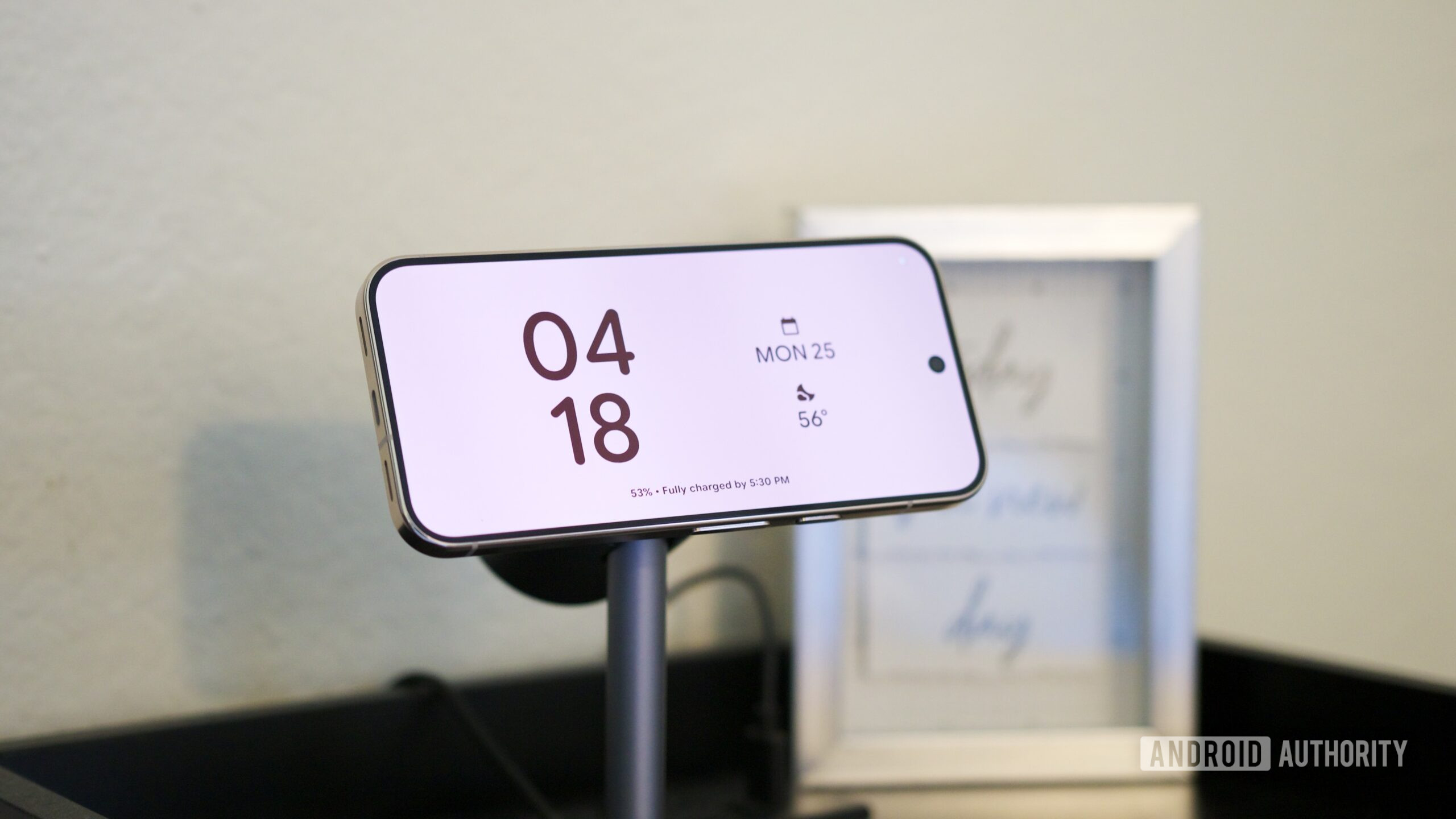
Pixel 11’s Screen Savers Now Rolling Out to Older Pixels
Google is starting to roll out screen saver options from the Pixel 11 to older Pixel 9 models. This update enhances device customization and user experience.
 Mobile
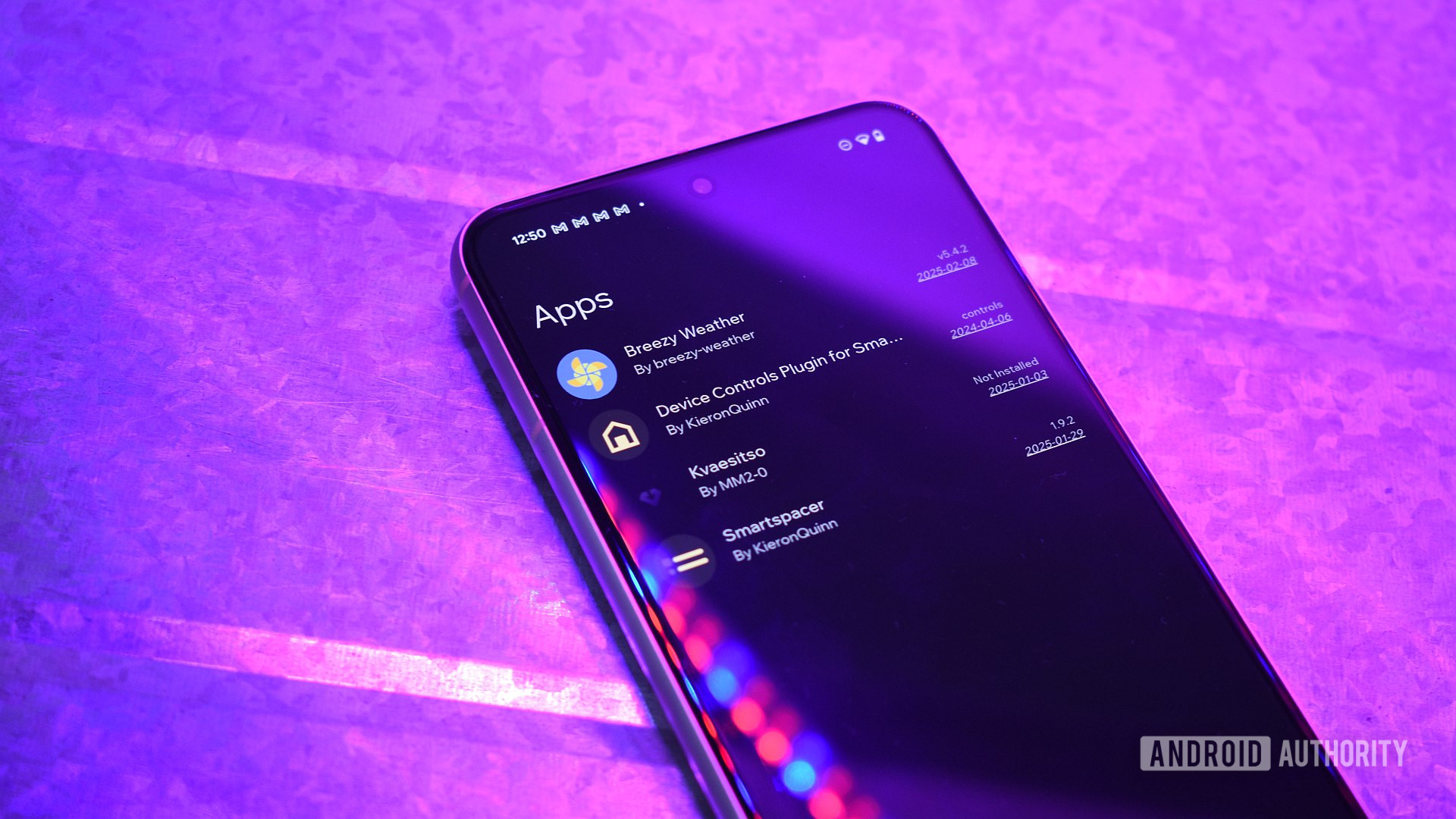
Sideloading restrictions on Android: what it means for you
Google has started implementing sideloading restrictions on Android, complicating the installation of third-party apps. This impacts users relying on apps outside of Google Play.