Electrification and its impact on the global economy
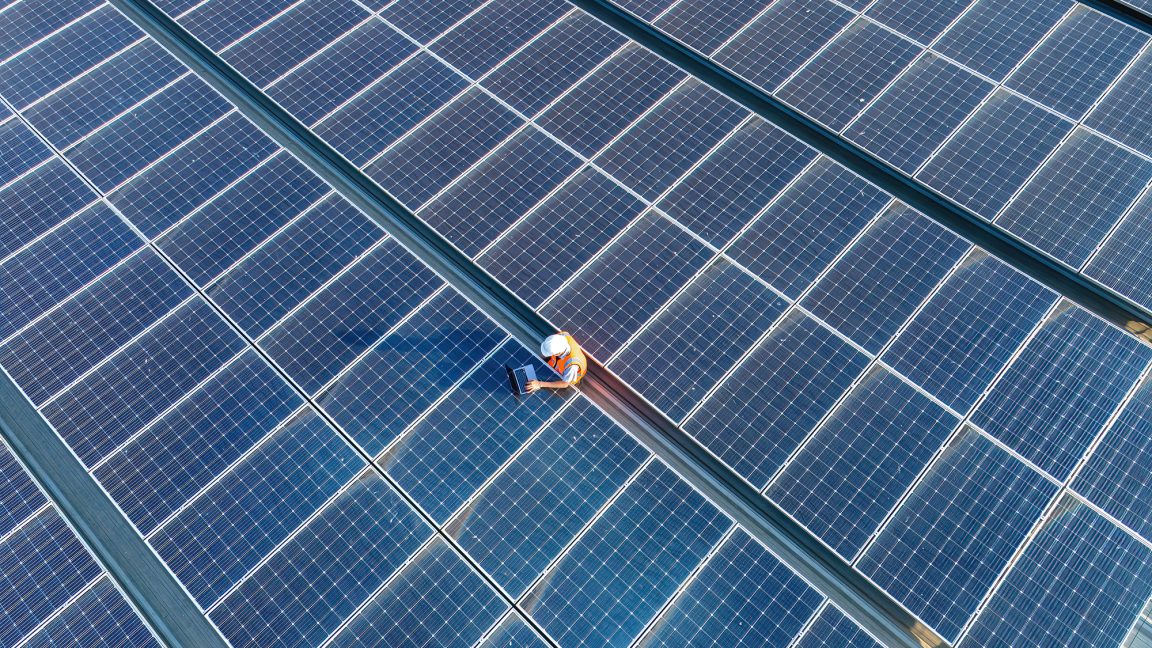
An IEA report highlights the alignment of secure, economic, and clean energy. This could transform the global economy.
Recently, the International Energy Agency (IEA) released a report addressing the growing trend toward electrification worldwide. Fatih Birol, the IEA's director, emphasized in a conference at the UN that, for the first time in years, the goals of energy security, economy, and cleanliness are aligning, which could change how nations manage their energy resources.
This new approach suggests that if a form of energy becomes the cheapest, safest, and cleanest, economies are likely to adjust their structures to take full advantage of it. Electrification, in this sense, is presented not just as a viable option but as an urgent necessity in a context where sustainability and energy security are more relevant than ever.
## Why it matters The transition to electrification is crucial in the fight against climate change. This shift not only promotes the reduction of carbon emissions but can also create new economic and job opportunities in emerging sectors related to clean technologies and renewable energy.
## What we know The IEA report highlights that despite the tough choices we face in the energy sector, current conditions allow for a convergence that could facilitate more sustainable decisions. Electrification could be the key to a more balanced and responsible energy future.
## What remains unclear However, it is still unclear how these ideas will be practically implemented and what specific policies will be needed to facilitate this transition. Investments and technological development are aspects that must be addressed to ensure that this electrification is accessible and effective on a global scale.
Read at the original source:
Ars Technica →Related news
 Science
The Black Death: Four Centuries of Devastating Waves
A new study reveals that the Black Death impacted Europe for four centuries, not just during the initial outbreak. This changes our understanding of its historical impact.
 Science
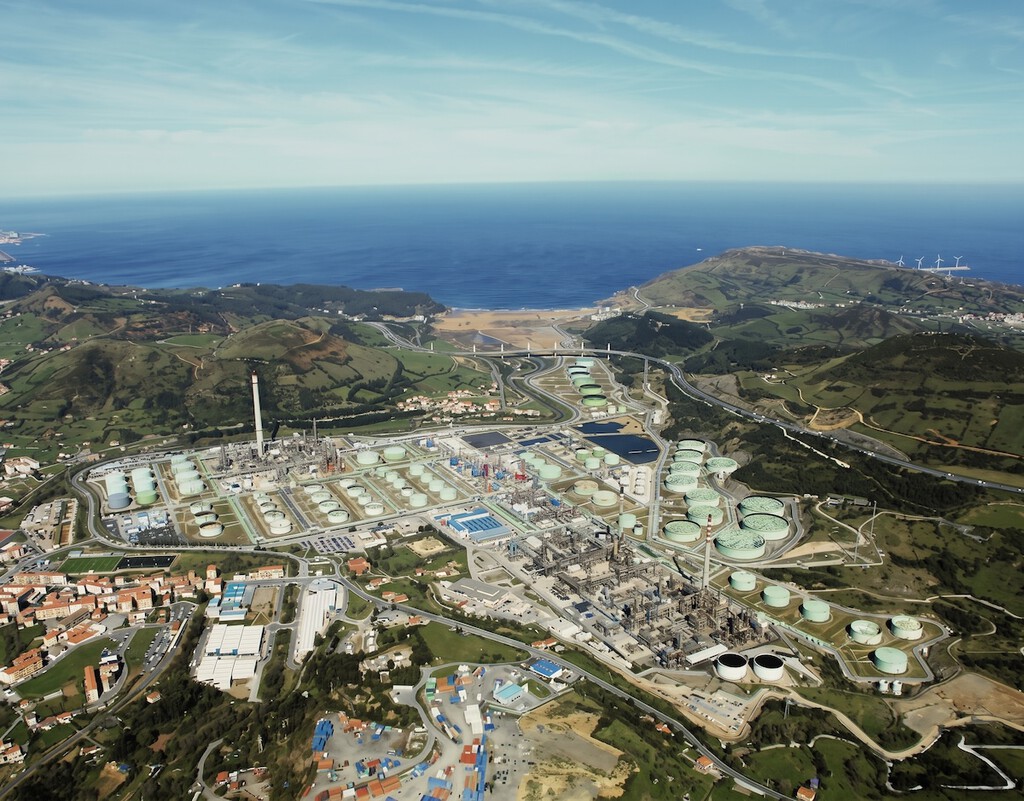
Hydrogen to reach Bilbao Port with a 38 km pipeline
Enagás Infraestructuras de Hidrógeno has requested authorization to build a 38 km pipeline transporting green hydrogen from Cantabria to Bilbao Port.
 Science
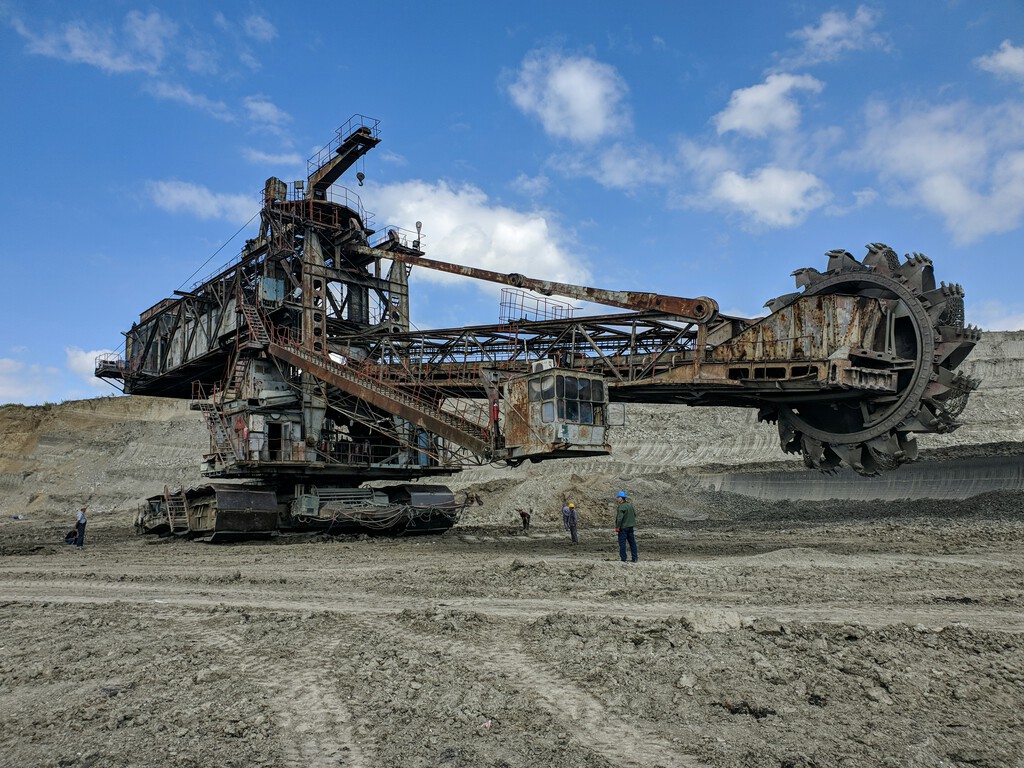
Renewable diesel makes its way into mining in Spain
A new renewable biofuel will be implemented in the Spanish mining sector, reducing CO2 emissions.