The Black Death: Four Centuries of Devastating Waves
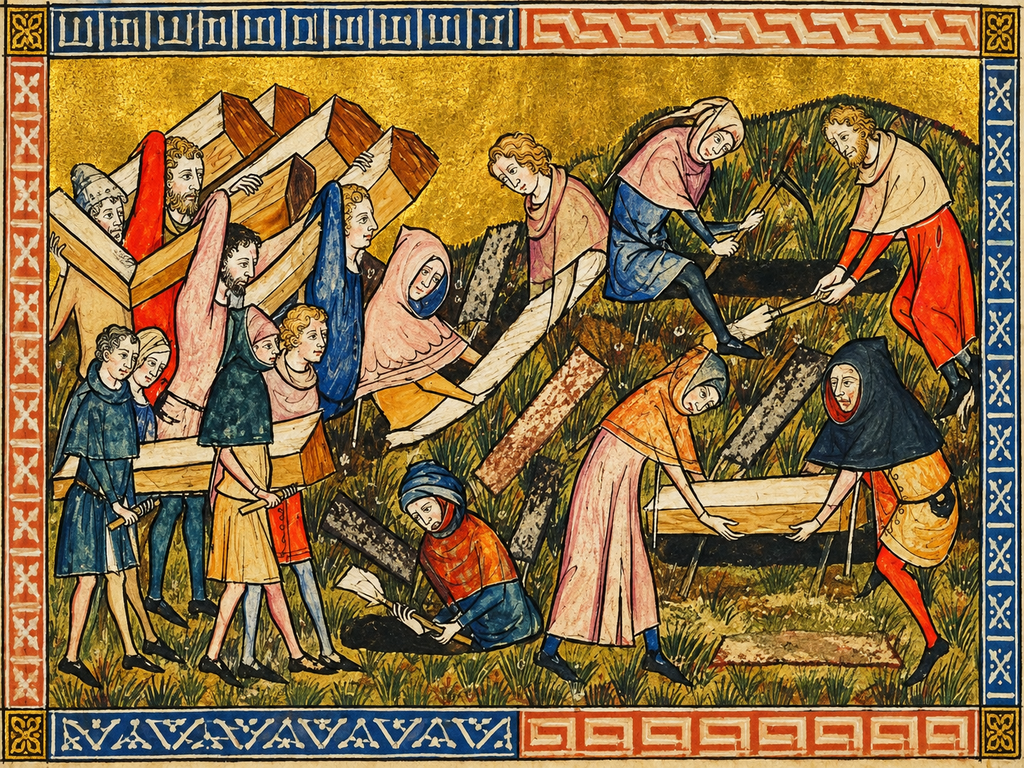
A new study reveals that the Black Death impacted Europe for four centuries, not just during the initial outbreak. This changes our understanding of its historical impact.
The Black Death, known for its devastating impact on medieval Europe, was not limited to a single outbreak between 1347 and 1353. A recent study has shown that the disease, caused by the bacterium Yersinia pestis, continued to affect the continent for four centuries, with recurring waves that wreaked havoc on the population.
This new historical perspective highlights that while the initial outbreak was particularly deadly, with mortality rates reaching up to 60% in some regions, the Black Death remained a constant threat in Europe, creating an atmosphere of fear and distrust that lasted for generations.
## Why it Matters Understanding that the Black Death was not an isolated event, but a series of outbreaks over several centuries, allows us to better appreciate the magnitude of its impact on society, economy, and culture of the time. This knowledge may also influence how we perceive current epidemics, reminding us that the consequences of a disease can extend far beyond initial outbreaks.
## What We Know Historians have documented that Yersinia pestis continued to affect Europe even after the 'Black Death,' with recurring episodes further destabilizing communities. This study emphasizes the need to reexamine the history of the Black Death and its legacy in European civilization, providing a new framework for understanding its impact.
## What Remains Unclear Despite the new revelations, the exact extent of each wave and its specific impact on different regions has yet to be confirmed. Research is ongoing to unravel the details of how the Black Death affected daily life over the centuries.
Read at the original source:
Xataka →Related news
 Science
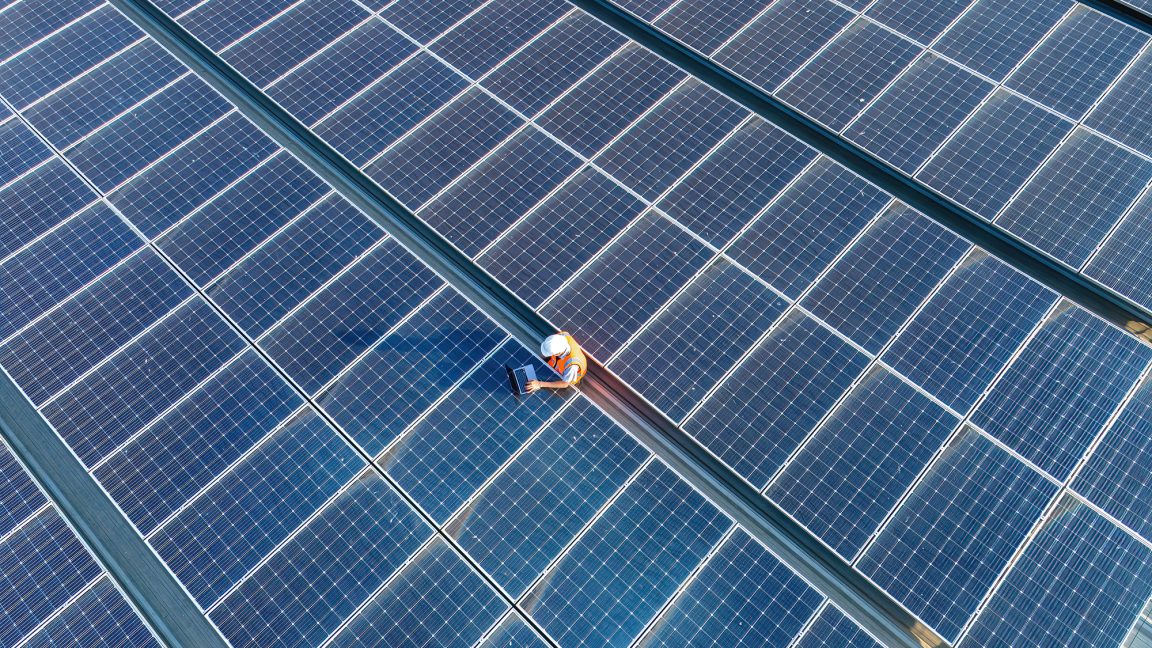
Electrification and its impact on the global economy
An IEA report highlights the alignment of secure, economic, and clean energy. This could transform the global economy.
 Science
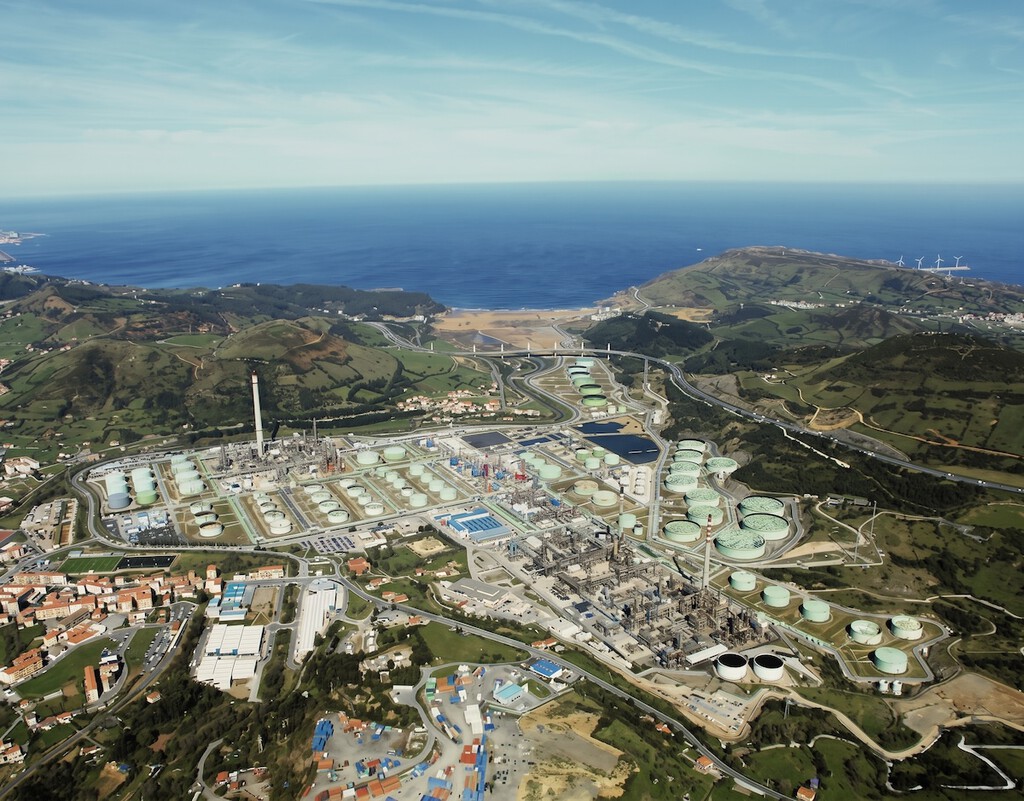
Hydrogen to reach Bilbao Port with a 38 km pipeline
Enagás Infraestructuras de Hidrógeno has requested authorization to build a 38 km pipeline transporting green hydrogen from Cantabria to Bilbao Port.
 Science
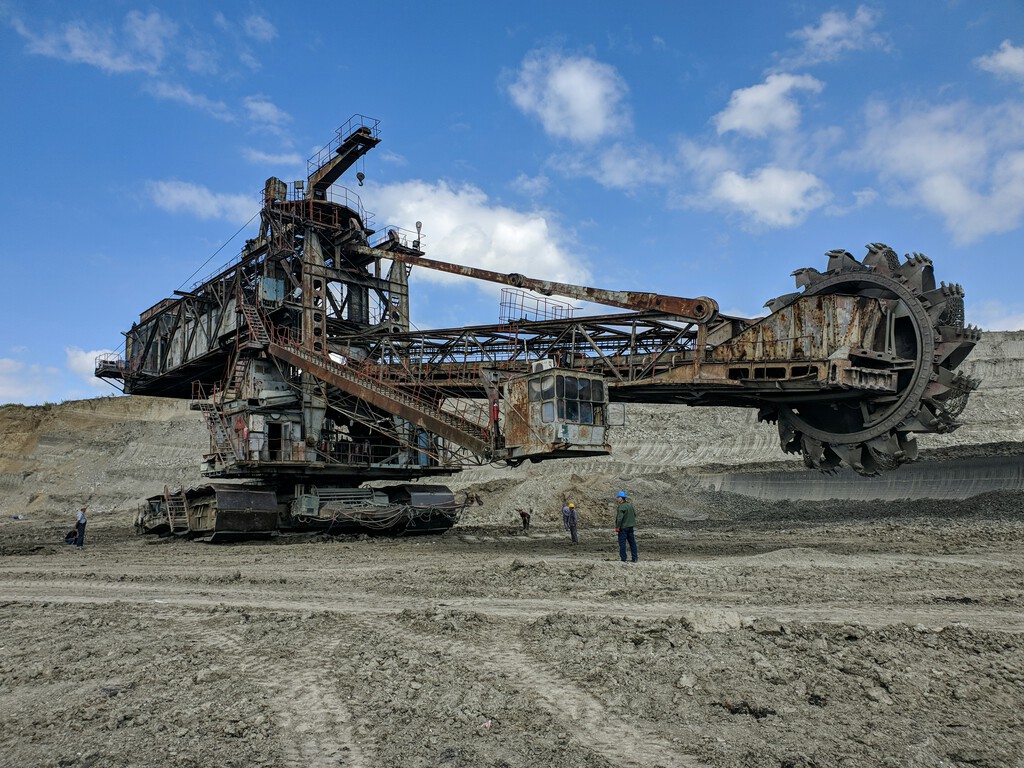
Renewable diesel makes its way into mining in Spain
A new renewable biofuel will be implemented in the Spanish mining sector, reducing CO2 emissions.