Intero Biosystems proposes human intestines for drug testing
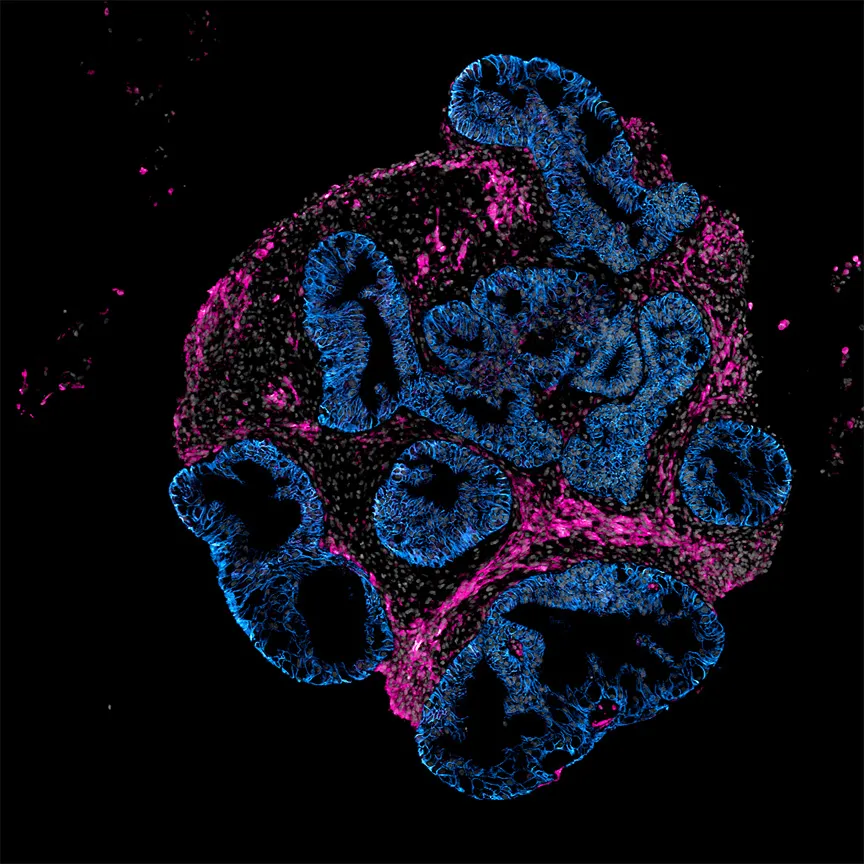
Intero Biosystems offers lab-grown human intestines as an alternative to animal testing. The startup aims to expand its organoid technology.
Intero Biosystems has launched an innovative proposal in the biotechnology field by offering lab-grown human intestines to pharmaceutical companies. This initiative comes at a time when regulators are increasingly pushing for alternatives to animal testing, which could transform how clinical and toxicity trials are conducted.
This approach not only has the potential to improve ethics in medical research by reducing reliance on animals, but it may also yield more relevant and accurate results by utilizing human tissues instead of animal models. Miniaturized intestines, or organoids, can more effectively simulate the human response to drugs, potentially leading to faster and safer development of new treatments.
## Why it matters The shift towards more ethical and effective testing methods is crucial in the pharmaceutical industry. Intero Biosystems' proposal represents a significant step toward aligning medical research with societal expectations regarding animal welfare, as well as improving the quality of data obtained in trials.
## What we know Intero Biosystems is focusing its efforts on scaling the production of these human intestines. Its organoid technology is expected to enable pharmaceutical companies to conduct more effective and ethical testing, which could change the landscape of medical research.
## What remains unclear Specific timelines for the implementation of this technology in the market have yet to be detailed, as well as how pharmaceutical companies will respond to this new testing methodology compared to traditional methods. It remains to be seen how regulators will accept these new methods.
Read at the original source:
TechCrunch →Related news
 Science
Scientists detect the farthest radio burst ever observed
Researchers have discovered the most distant FRB, originating 11 billion years ago. This finding provides new insights into the early universe.
 Science
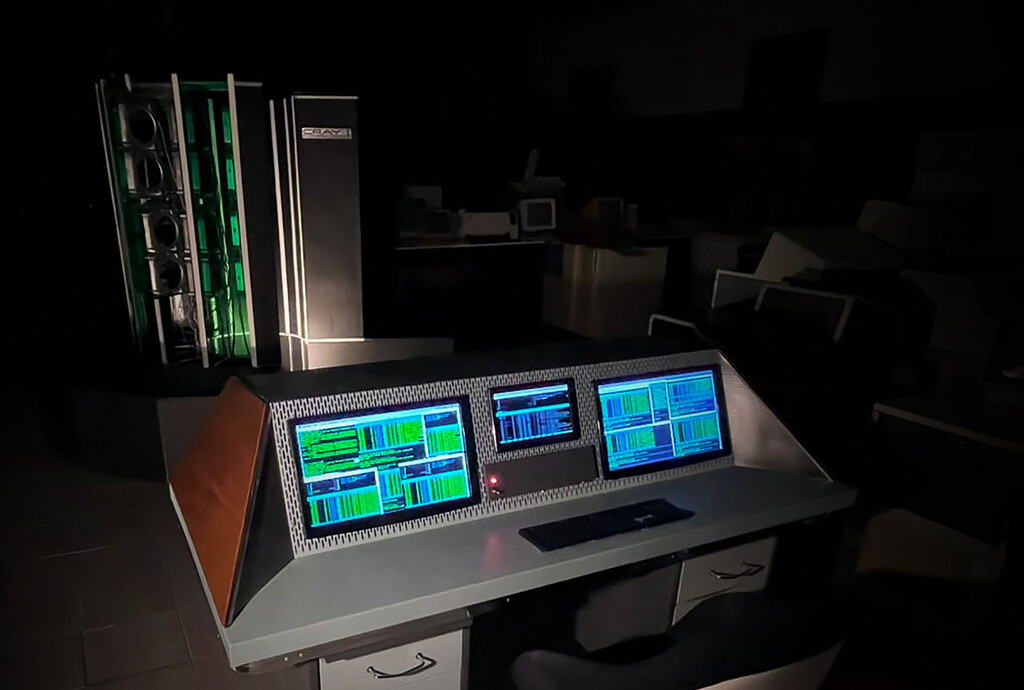
A 1976 Cray-1 Revived Using 30 Mac Minis
A Spanish project has recreated the iconic Cray-1 using modern technology. This achievement connects the history of computing with the present.
 Science
3D-printed airless wheels: a game changer for Ukraine's robots
Ukrainian engineers unveil airless wheels for robotic vehicles. This innovation enhances battlefield mobility even after sustaining damage.