Microsoft unveils Surface Laptop Ultra and Windows 11 changes
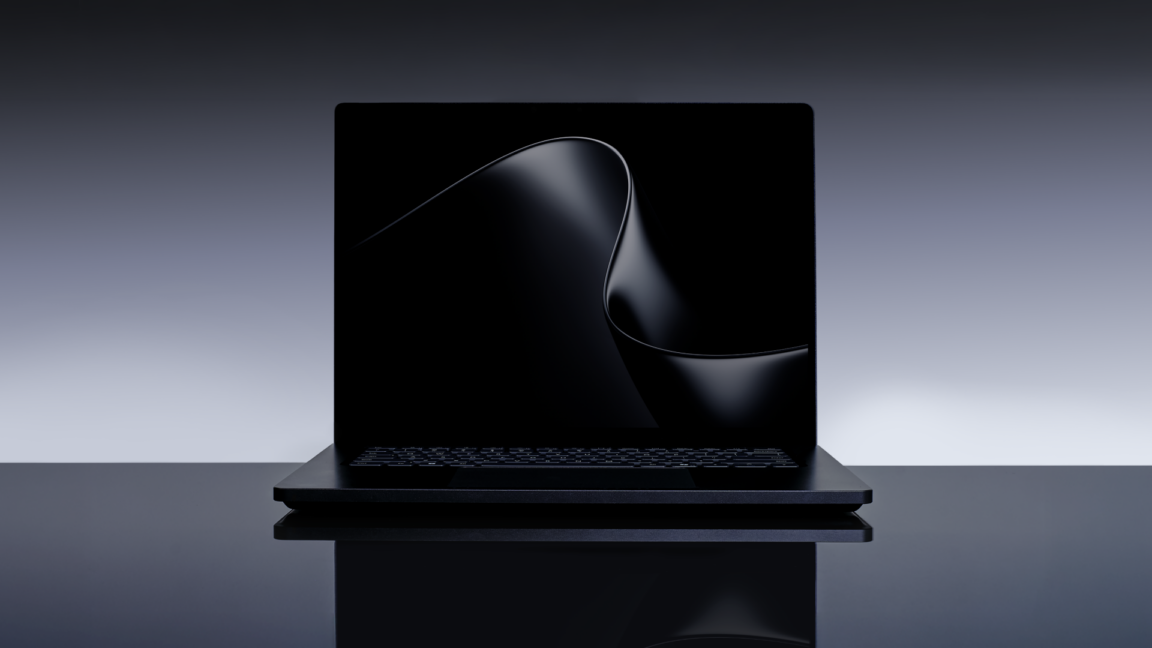
Microsoft has launched its new Surface Laptop Ultra and announced significant updates for Windows 11. This device is designed to maximize artificial intelligence and software development.
In its first live event in two years, Microsoft introduced its latest laptop model, the Surface Laptop Ultra, alongside a series of modifications coming to Windows 11. This new device is the first to utilize the new Nvidia RTX Spark SoC, with expectations that its graphical performance will be a major draw for developers and tech enthusiasts.
The Surface Laptop Ultra has a starting price of $2,599 and offers various SoC and memory configurations, including options with 5120-core and 6144-core Blackwell GPUs, and up to 128GB of LPDDR5x unified memory. This focus on graphical power highlights Microsoft's intention to target an audience that requires high performance for development tasks and graphics-intensive applications.
Why it matters
The introduction of the Surface Laptop Ultra not only represents a step forward in Microsoft’s product line but also marks a significant move towards integrating artificial intelligence into personal computing. With the growing importance of AI in software development, this device could become an essential tool for those looking to fully leverage these emerging technologies.
What we know
The Surface Laptop Ultra will start shipping on October 16 and is currently available for pre-order. The device's specifications are designed to deliver exceptional performance, suggesting that Microsoft is making a strong bet on the future of AI-driven computing.
What's still unclear
It is not yet confirmed how the new features of Windows 11 will integrate with the Surface Laptop Ultra hardware, nor what other updates may be expected in the near future. The company has not fully detailed the AI capabilities that will be implemented in existing operating systems.
Read at the original source:
Ars Technica →Related news
 Gadgets
CyboPal ONE: robotic monitor that follows you for $1599
The CyboPal ONE is a 27-inch monitor that adjusts to your posture with its robotic arm. It's available on Kickstarter for $1599.
 Gadgets
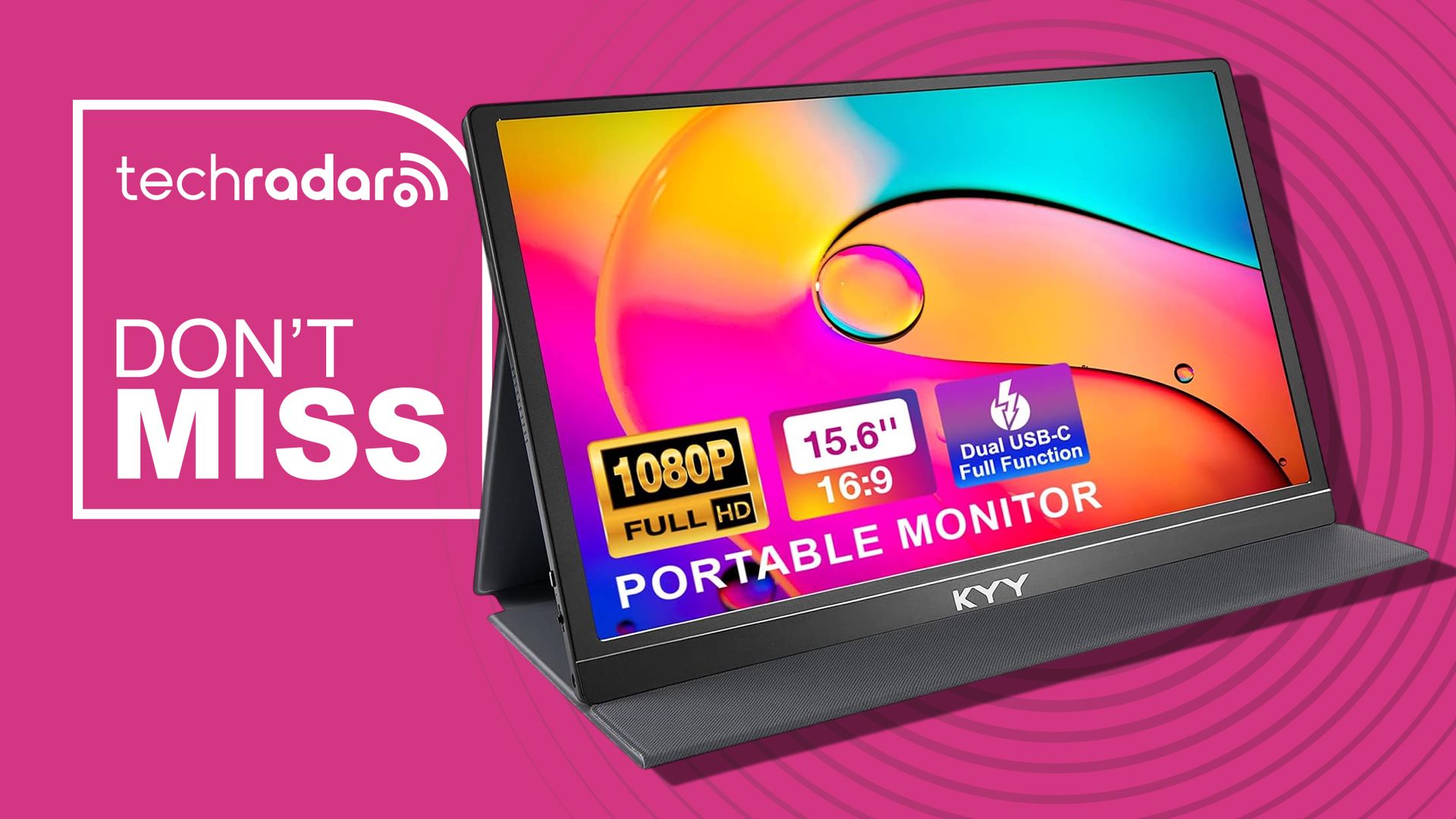
KYY K3-1 Portable Monitor Discounted for Prime Day
The 15.6-inch KYY K3-1 monitor is available at a reduced price during Prime Day. It's perfect for users seeking a portable additional screen.
 Gadgets
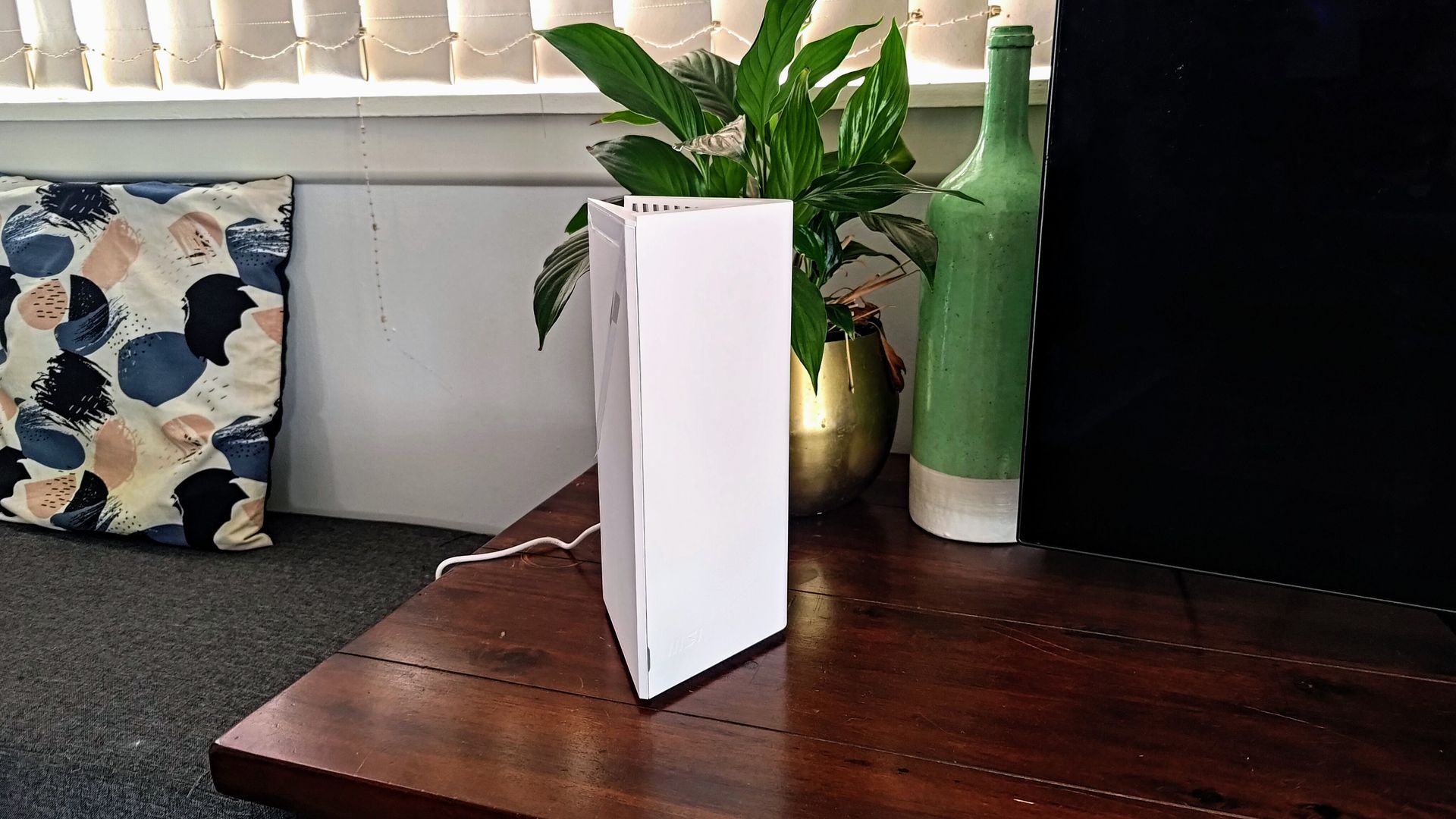
MSI Roamii Be Pro: Best Value Wi-Fi 7 Router on Prime Day
The MSI Roamii Be Pro stands out as the best value Wi-Fi 7 router this Prime Day, offering speeds of up to 11 Gbps without subscriptions.