Rise in banking scams targeting mobile devices

A new report reveals a 35% increase in banking scams targeting mobile users. This shift suggests that scammers are adapting their tactics to take advantage of mobile accessibility for transactions.
A recent report from BioCatch has highlighted a concerning 35% increase in banking scams aimed at mobile devices over the last year. Scammers have shifted their focus away from traditional methods like phone calls or emails, now almost exclusively targeting mobile platforms. This trend is driven by the ease with which users can make money transfers from their phones, making these devices an attractive target for criminals.
Why it matters
This shift in scammers' tactics presents a significant challenge to users' financial security. With the growing use of smartphones, it is crucial for consumers to be aware of the associated risks and take steps to safeguard their personal data and finances.
What we know
In addition to banking scams, the report indicates an increase in other forms of fraud, such as romance and investment scams. However, purchase scams remain the most common, accounting for 33% of all scam attempts. This underscores the need for greater online security education and constant vigilance from users.
What is still unclear
It remains unconfirmed what the long-term impact of this trend will be on users' financial security, nor the specific measures that banks are taking to mitigate this growing risk. The lack of clear information on how scammers are operating in the mobile space also raises questions about the effectiveness of current defenses.
Read at the original source:
TechRadar →Related news
 Security
Vulnerability in Rejetto HFS: Significance of Anthropic's Mythos
A new vulnerability in Rejetto HFS has been uncovered thanks to Anthropic's bug-hunting model Mythos. Users must update their software to avoid risks.
 Security
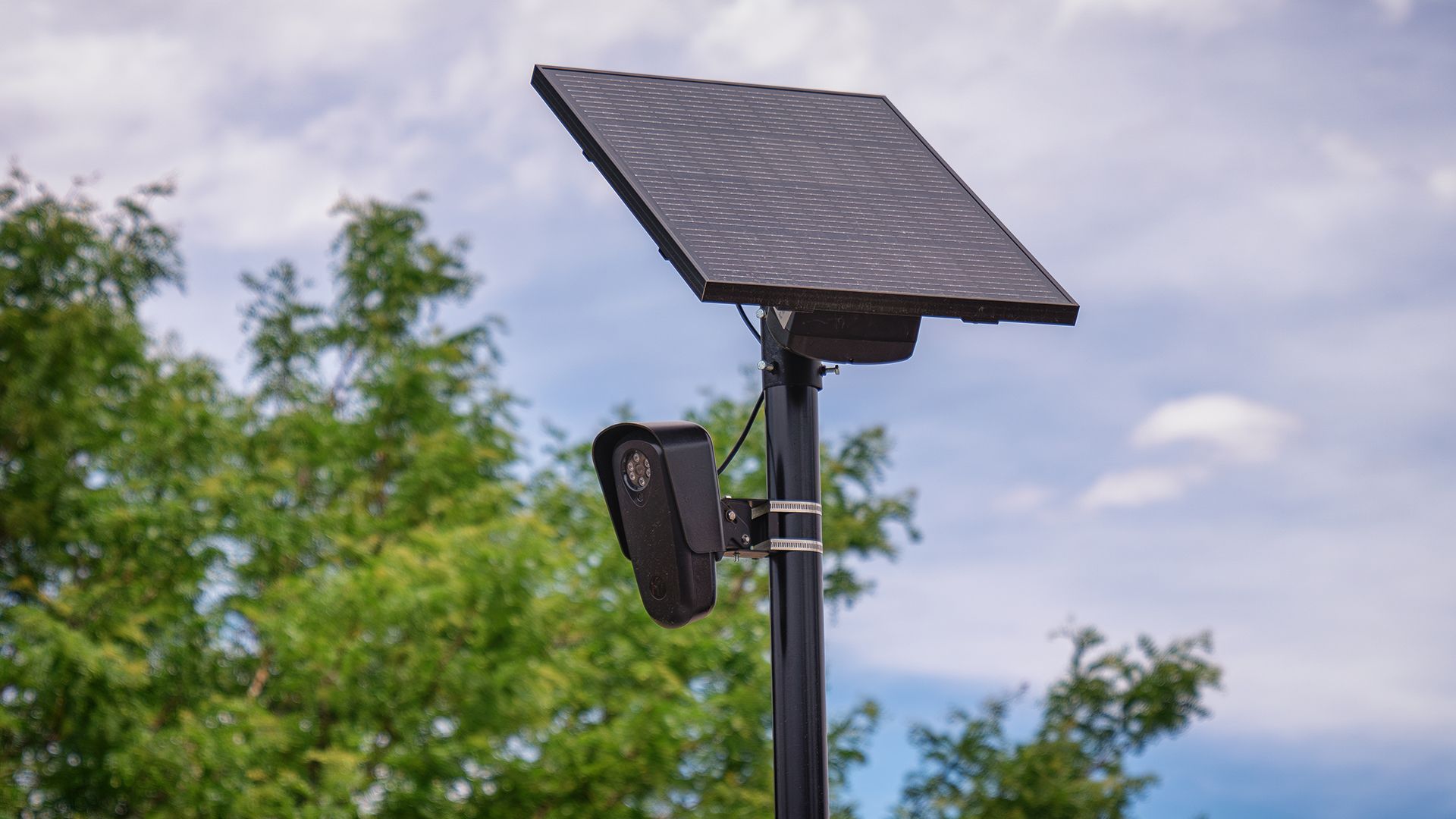
New Ban Flock Act introduced to curb surveillance camera use
The Ban Flock Act has been introduced in the U.S. Congress to prohibit the use of surveillance cameras, addressing privacy concerns. This proposal covers all automatic license plate readers, not just those from Flock.
 Security
Dangerous Android permissions you should avoid
Permissions on Android can be risky, especially lesser-known ones. Understanding them is key to protecting our data.