The Leap Second Is No More
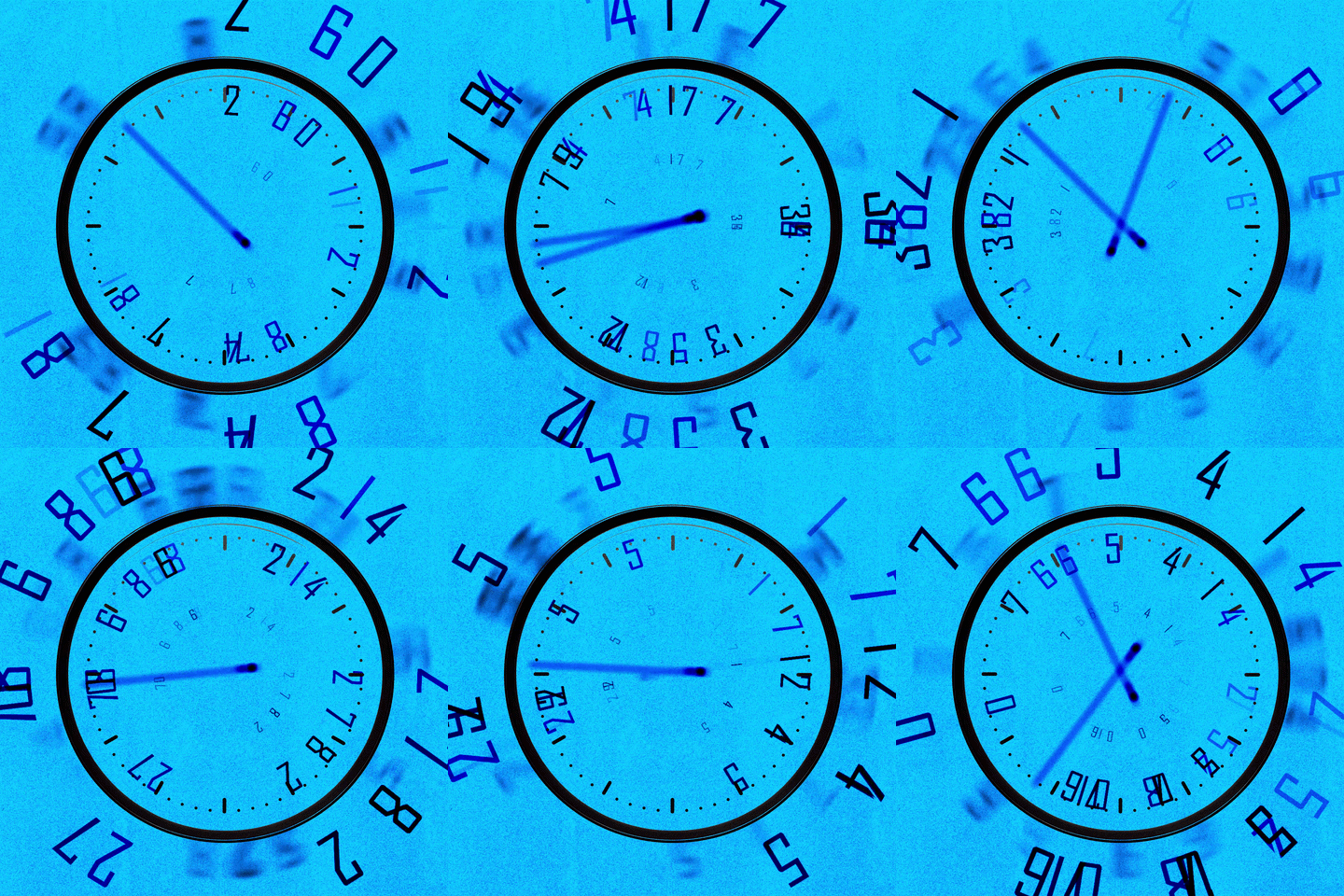
Leap seconds have been abolished, ending a long-standing debate in timekeeping. This could change how time is measured moving forward.
Leap seconds, those extra seconds added periodically to keep our clocks in sync with Earth's rotation, have officially been abolished. While this may seem like a minor issue to many, it has been a source of contention in the timekeeping community for years. The decision to eliminate the leap second has been announced by the BIPM (International Bureau of Weights and Measures), marking a significant milestone in the history of time measurement.
Why it matters
The removal of leap seconds has significant implications for technology and systems that rely on precise synchronization. From GPS to internet infrastructure, many services may be impacted by the need for constant time adjustments. This decision simplifies the time measurement process, eliminating a factor that had caused confusion and technical complications.
What we know
The BIPM made this decision after years of debate and deliberation within the scientific community. The abolition of the leap second means that in the future, time will be measured more uniformly, without the need for adjustments that could desynchronize critical systems. This measure aims to facilitate precision in timekeeping and improve the stability of systems that depend on it.
What is still unclear
It remains unconfirmed how this decision will impact existing systems that already utilize leap seconds. The scientific community is awaiting further details on how this measure will be implemented in practice and how potential challenges may be addressed moving forward.
Read at the original source:
Wired →Related news
 Science
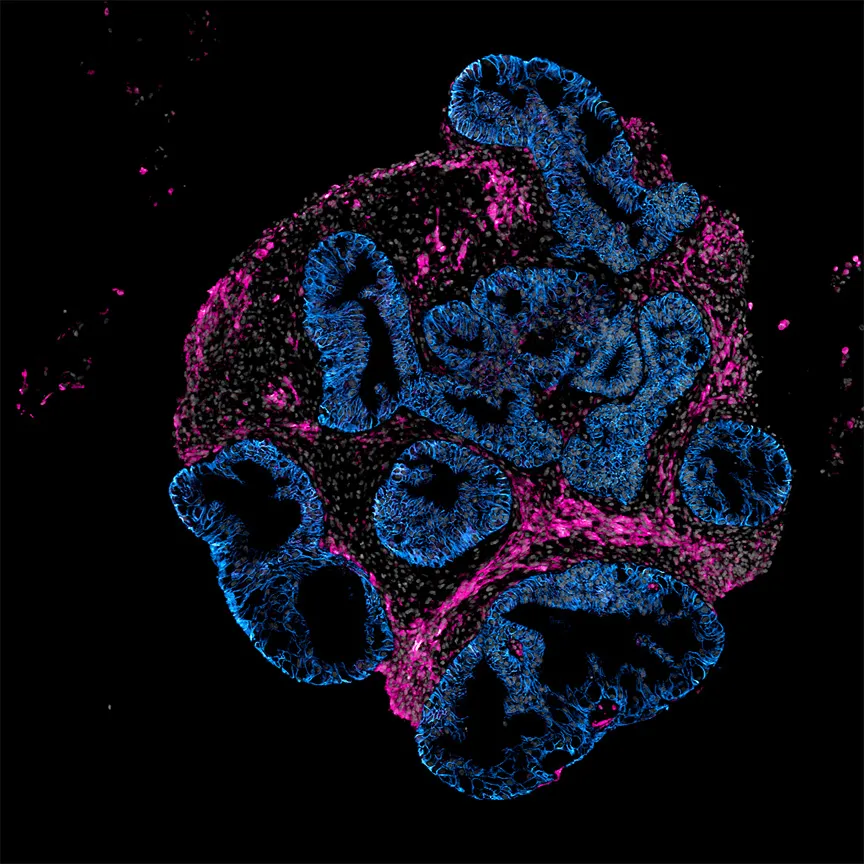
Intero Biosystems proposes human intestines for drug testing
Intero Biosystems offers lab-grown human intestines as an alternative to animal testing. The startup aims to expand its organoid technology.
 Science
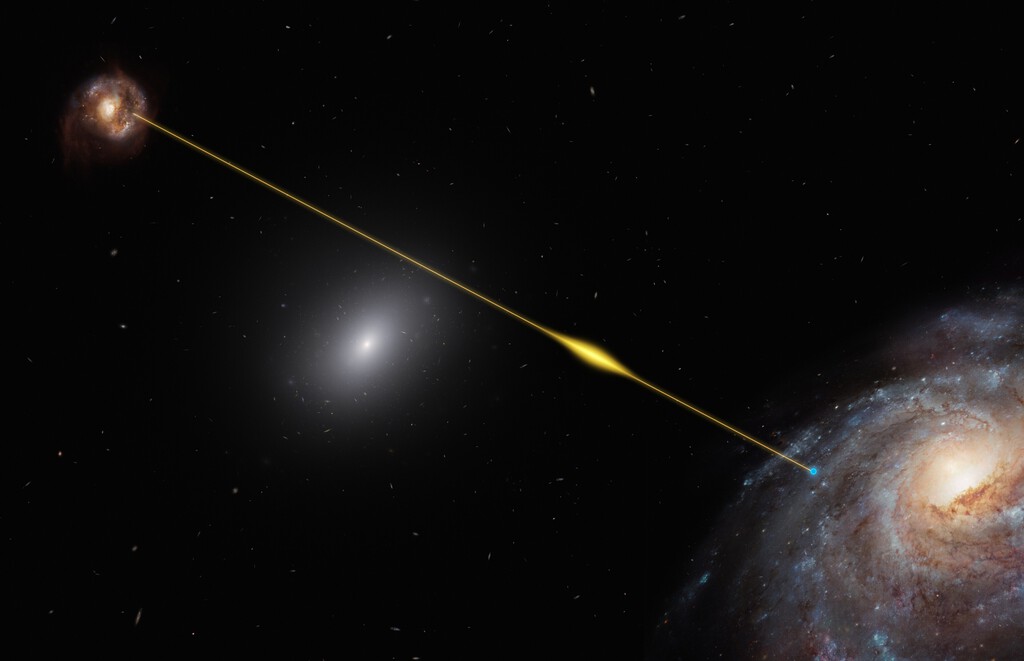
Scientists detect the farthest radio burst ever observed
Researchers have discovered the most distant FRB, originating 11 billion years ago. This finding provides new insights into the early universe.
 Science
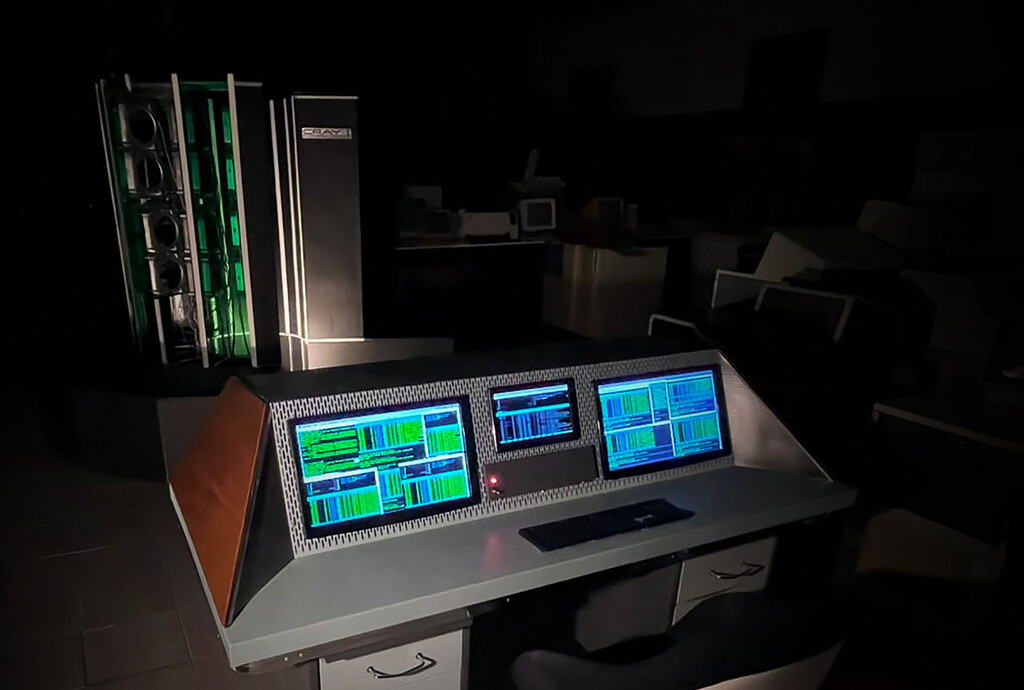
A 1976 Cray-1 Revived Using 30 Mac Minis
A Spanish project has recreated the iconic Cray-1 using modern technology. This achievement connects the history of computing with the present.