Archaeological finds in Norway: an alarming sign
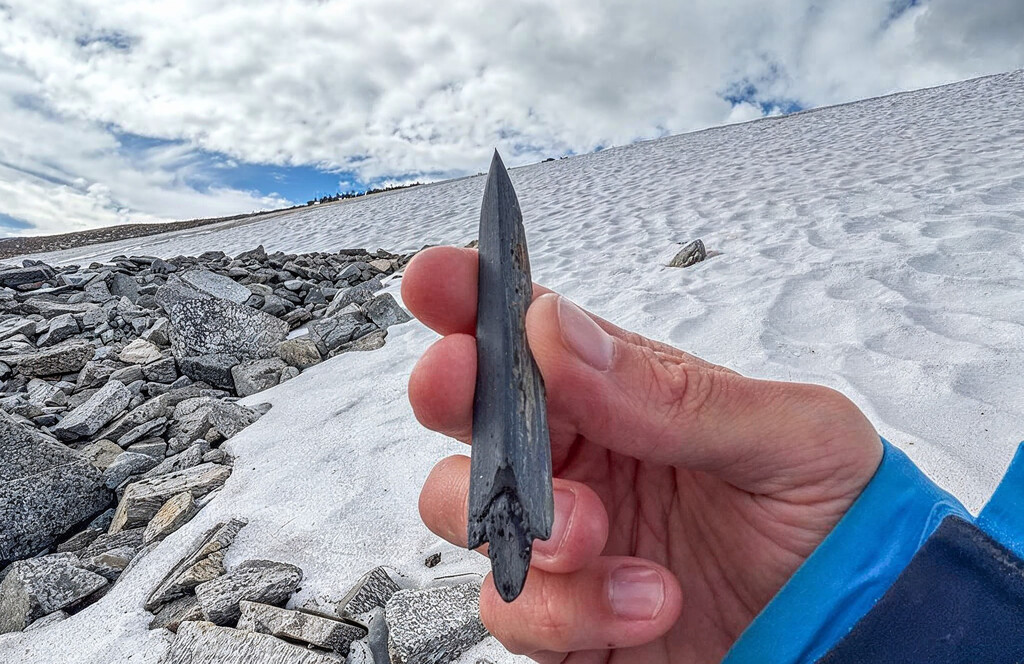
Archaeologists in Norway have recovered 48 objects dating back 6,000 years, reflecting the alarming melting of glaciers. This discovery is a mix of historical find and environmental concern.
Recently, a team of archaeologists from Norway, under the Secrets of the Ice project, recovered 48 archaeological objects dating back up to 6,000 years. While the discovery of intact pieces of such antiquity should be a cause for celebration, the reality is that these recoveries are indicative of the accelerated melting of glaciers in the region. Among the finds are arrows from the Stone and Bronze Ages, including an arrow with a slate tip and wooden shaft, as well as bone and mussel shell tips dating from 3,600 to 5,000 years ago.
## Why it matters This find is significant because it not only provides information about the ancient civilizations that inhabited the area but also underscores the impact of climate change. The speed at which glaciers in Norway are melting is alarming and threatens the preservation of these and other historical artifacts.
## What we know Researchers have been working in these icy areas for two decades, and the recent finds reflect a worrying pattern of accelerated melting. The recovered pieces are considered valuable not only for their antiquity but also for what they can teach us about life in prehistoric times.
## What remains unclear It has not yet been confirmed the full extent of the objects that could be lost if melting continues at this pace. Additionally, the organization has not detailed how they plan to preserve these artifacts in the long term, raising questions about the conservation of cultural heritage in a world facing climate change.
Read at the original source:
Xataka →Related news
 Science
UK Space Agency seeks public to name debris removal mission
The UK Space Agency is inviting the public to name its Active Debris Removal Mission, set to begin operations in 2029. This initiative aims to remove defunct satellites from low Earth orbit.
 Science
The Leap Second Is No More
Leap seconds have been abolished, ending a long-standing debate in timekeeping. This could change how time is measured moving forward.
 Science
Intero Biosystems proposes human intestines for drug testing
Intero Biosystems offers lab-grown human intestines as an alternative to animal testing. The startup aims to expand its organoid technology.