UK Space Agency seeks public to name debris removal mission
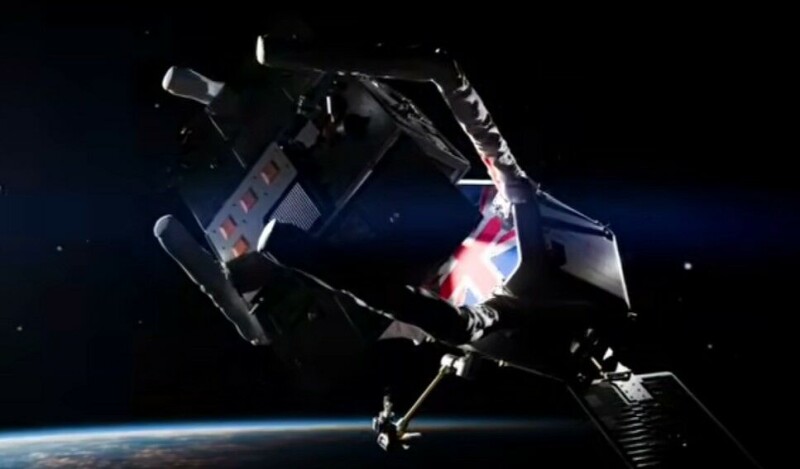
The UK Space Agency is inviting the public to name its Active Debris Removal Mission, set to begin operations in 2029. This initiative aims to remove defunct satellites from low Earth orbit.
The UK Space Agency has announced its Active Debris Removal Mission and is turning to the public for help in naming it. This mission, which will be led by ClearSpace UK, aims to remove two UK-registered satellites from low Earth orbit, with operations scheduled to start in 2029.
Backed by over £60 million from the UK government, the clean-up is expected to be completed by 2032. The spacecraft will capture each satellite and lower it into an orbit where it will burn up upon re-entry into the Earth's atmosphere. Afterwards, the spacecraft will ascend to a higher orbit, ready for its next cleaning task.
## Why it matters This initiative represents a significant step towards sustainability in space, an increasingly important topic as the amount of debris in Earth's orbit continues to grow. Involving the public in the naming process not only promotes interest in space exploration but also fosters a sense of community and shared responsibility in preserving the space environment.
## What we know The mission will launch from SaxaVord Spaceport in Scotland, and its refuelable design will allow the spacecraft to operate and clean space for years to come. This innovative approach could lay the groundwork for future debris removal missions and contribute to a safer orbital environment.
## What is still unclear It has not yet been confirmed how the naming process will be conducted or if there will be any rewards for the person who suggests the final name. Additionally, the technical specifications of the spacecraft to be used in this mission have not been detailed.
Read at the original source:
The Register →Related news
 Science
Archaeological finds in Norway: an alarming sign
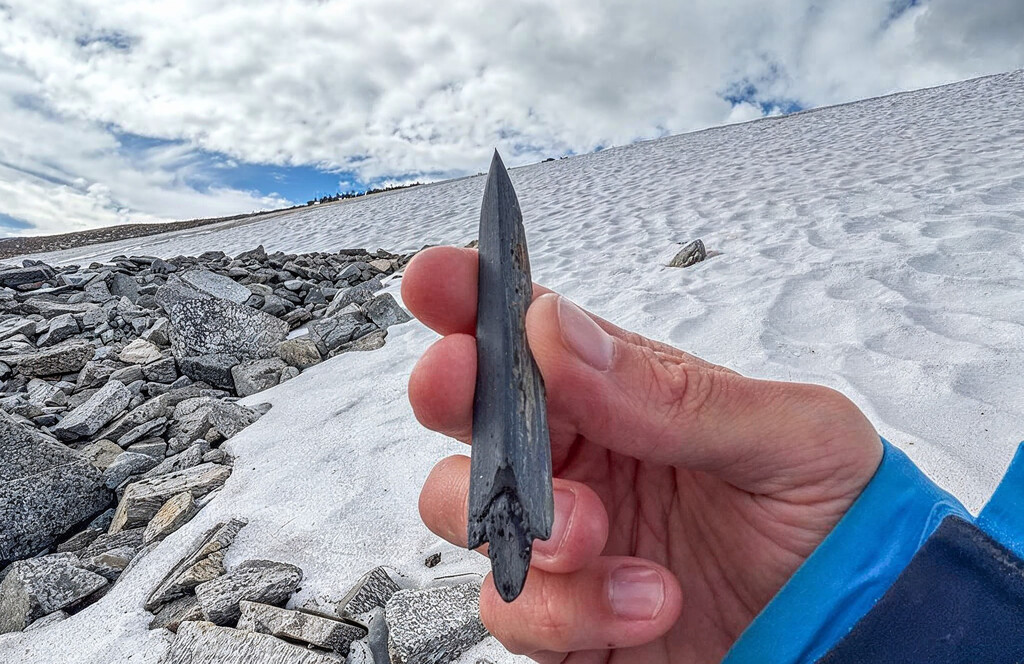
Archaeologists in Norway have recovered 48 objects dating back 6,000 years, reflecting the alarming melting of glaciers. This discovery is a mix of historical find and environmental concern.
 Science
The Leap Second Is No More
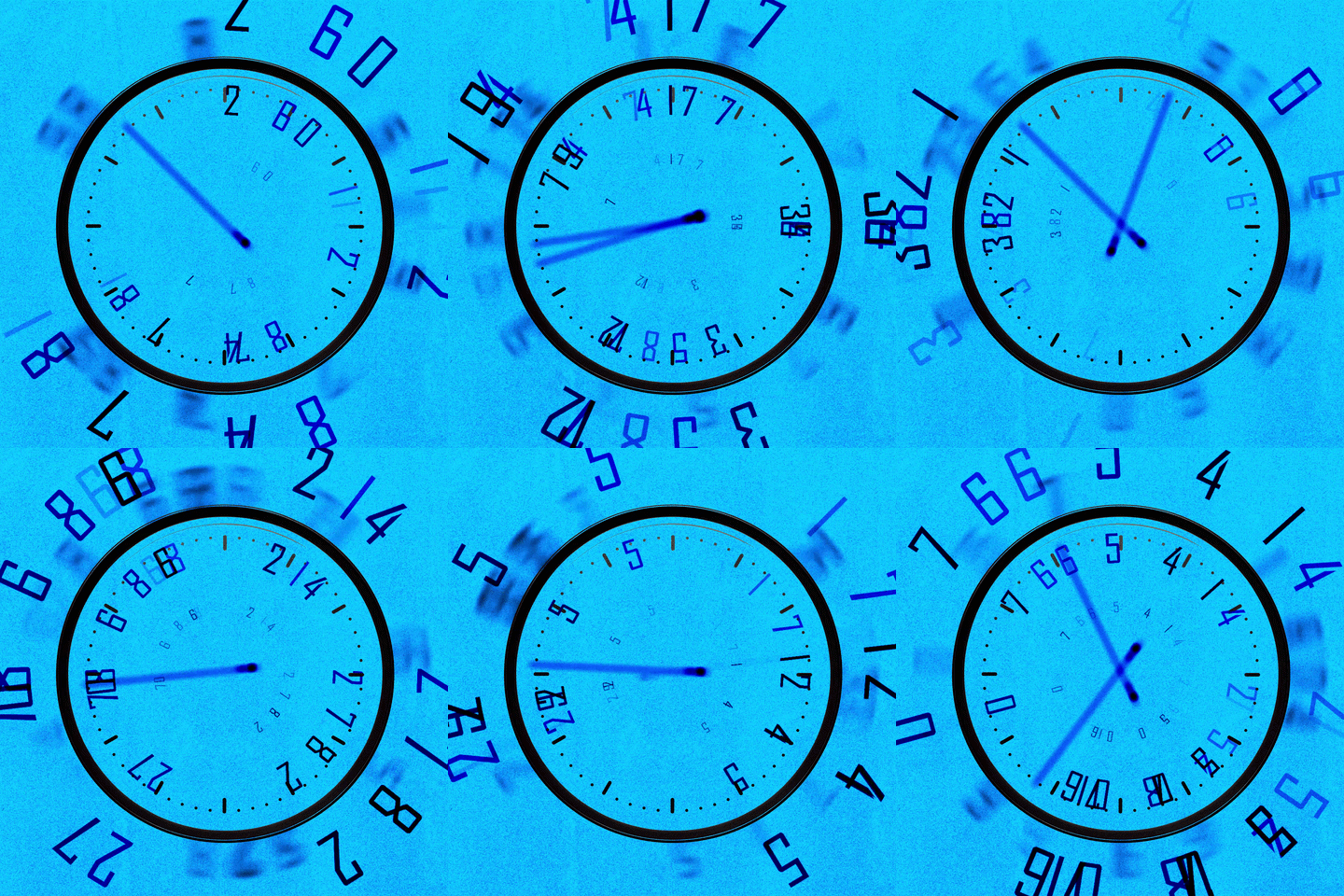
Leap seconds have been abolished, ending a long-standing debate in timekeeping. This could change how time is measured moving forward.
 Science
Intero Biosystems proposes human intestines for drug testing
Intero Biosystems offers lab-grown human intestines as an alternative to animal testing. The startup aims to expand its organoid technology.